– Peak tourist season from July to September offers vibrant marine life.
– The ideal months for diving are typically October and November.
– Monsoon season runs from December to March, with higher rainfall and potential travel disruptions.
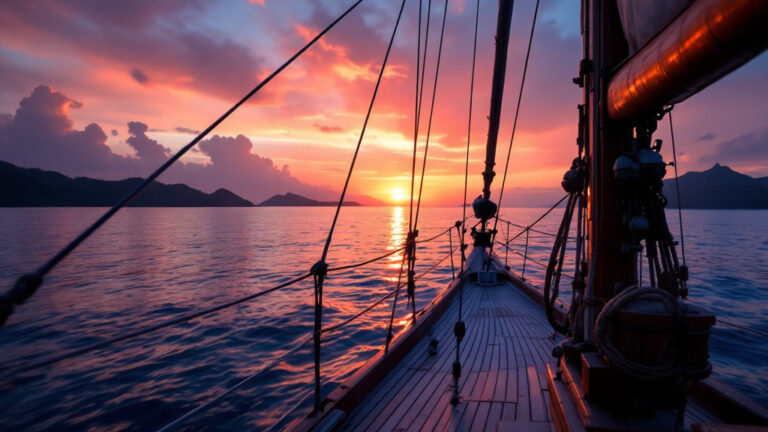
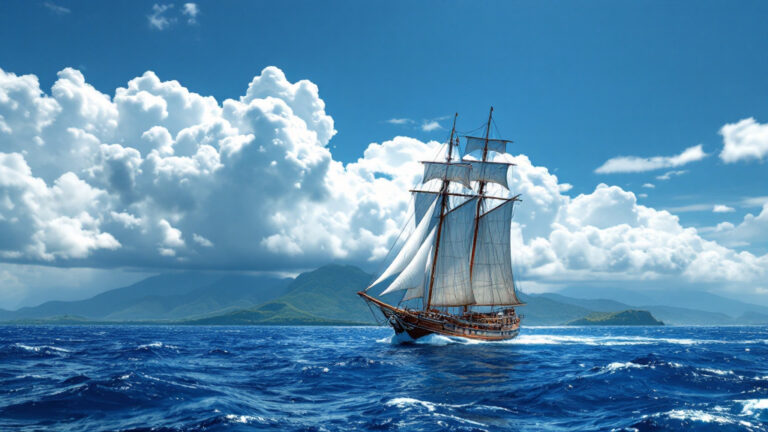
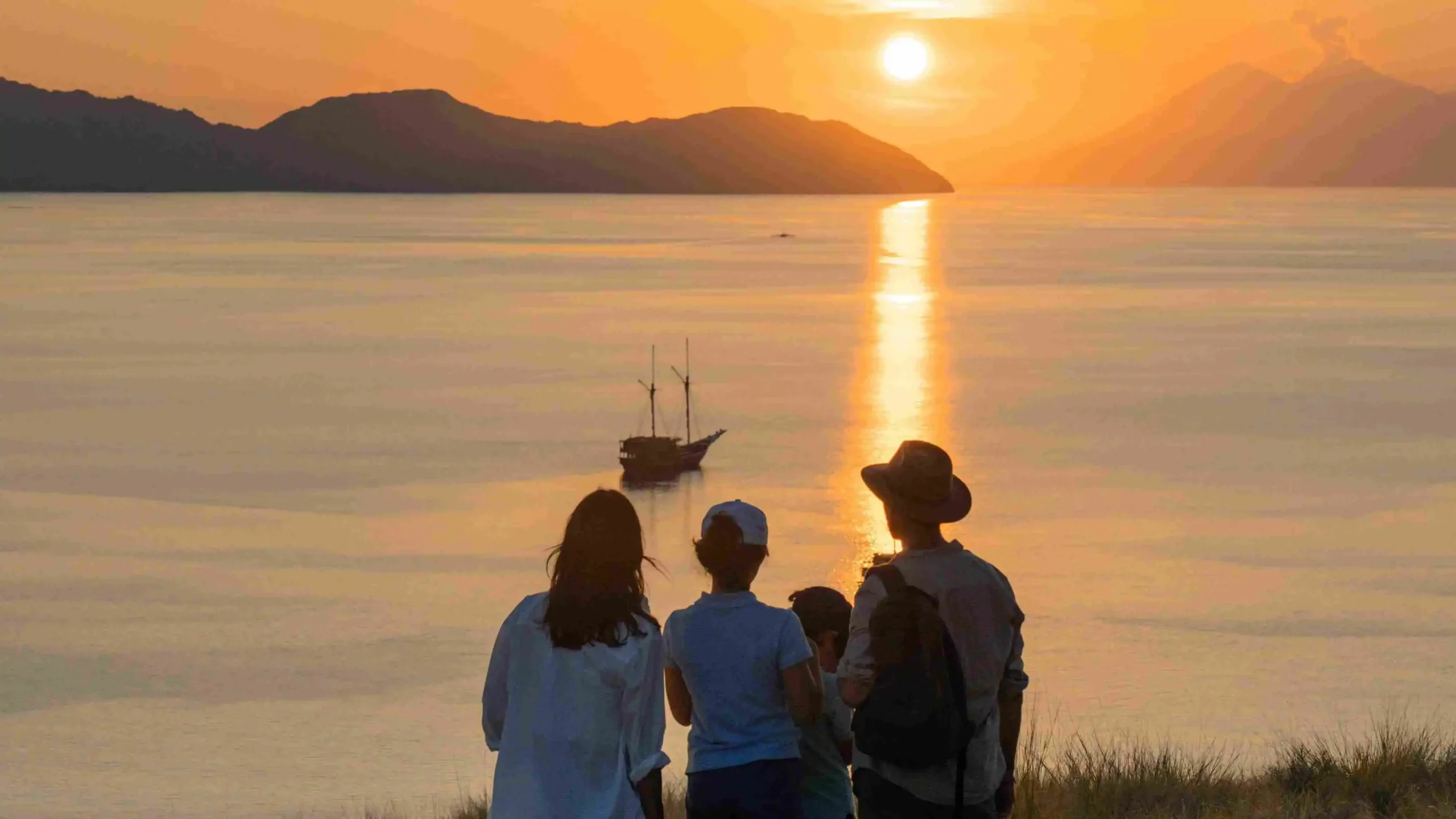
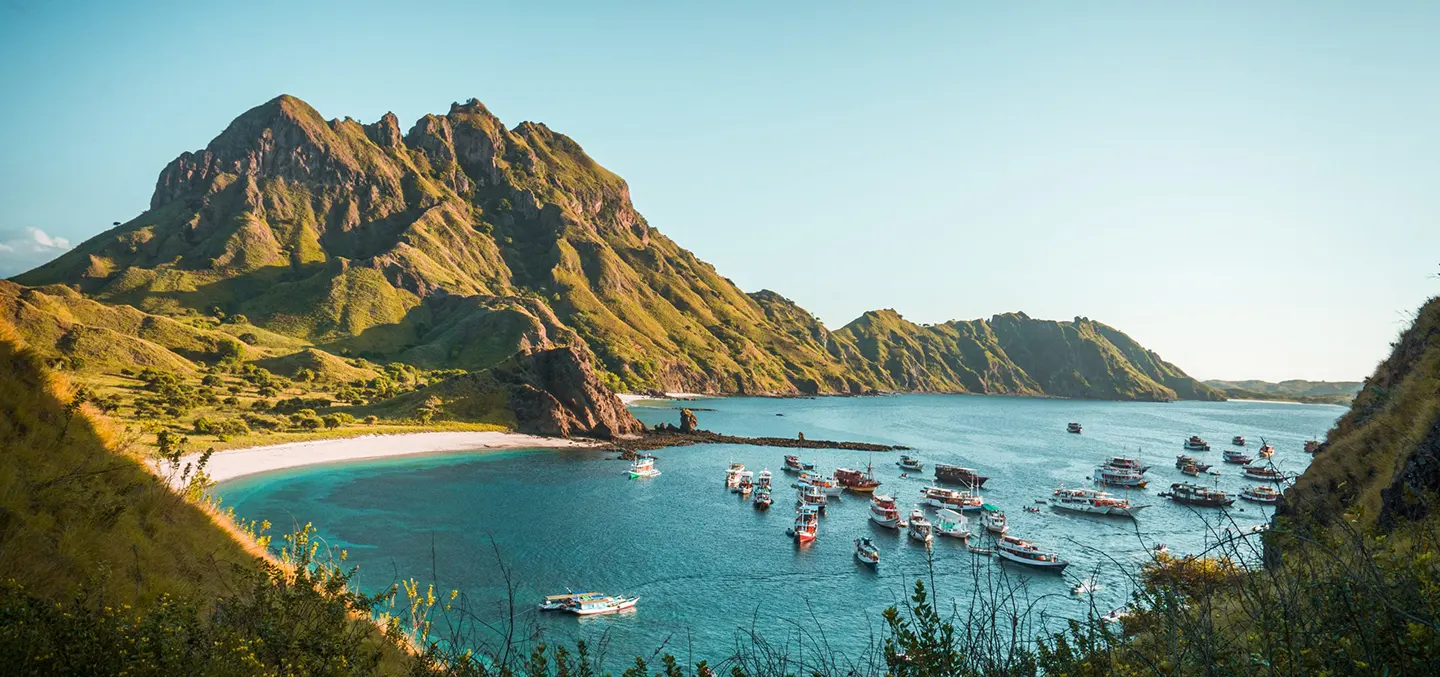
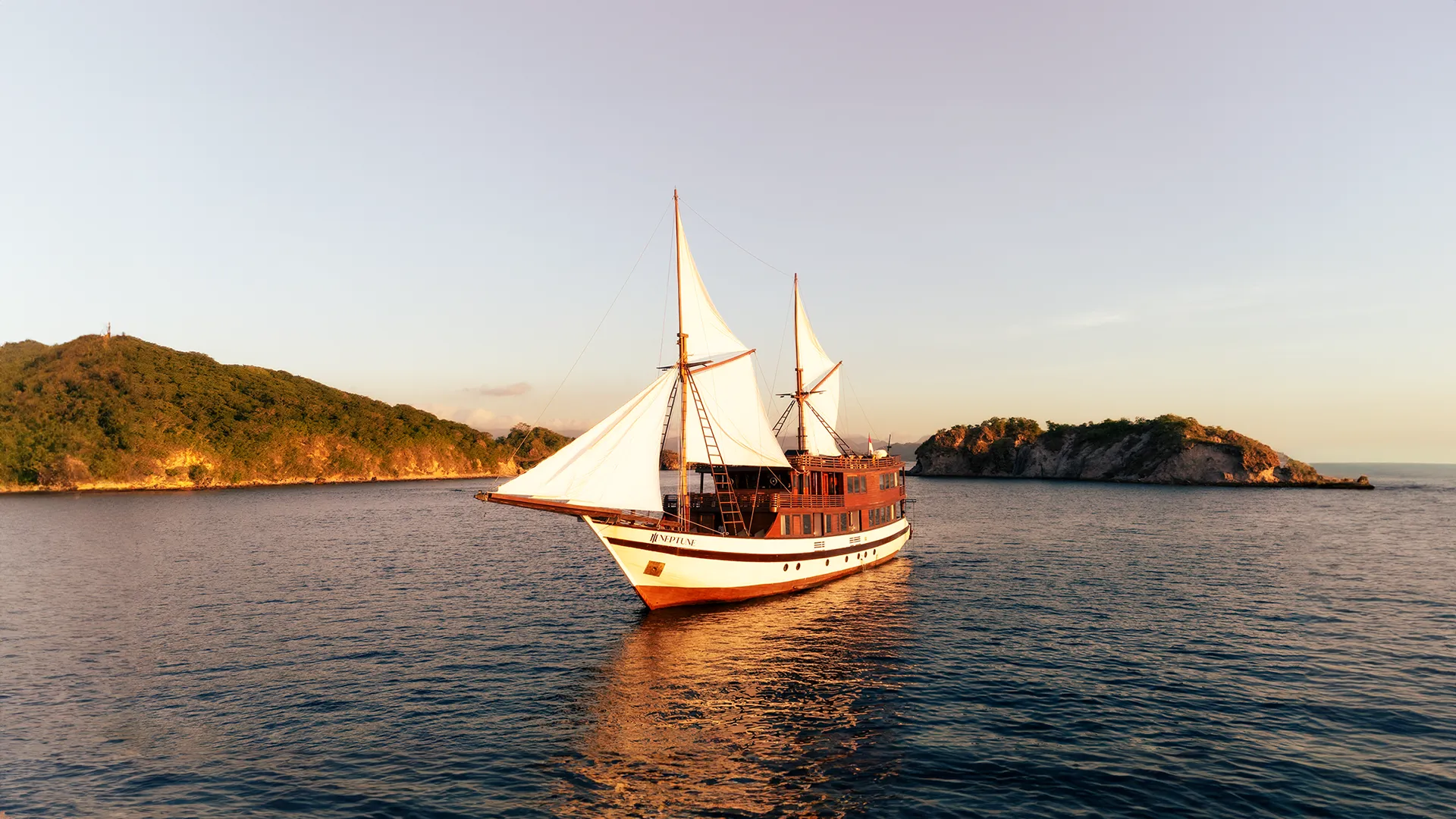
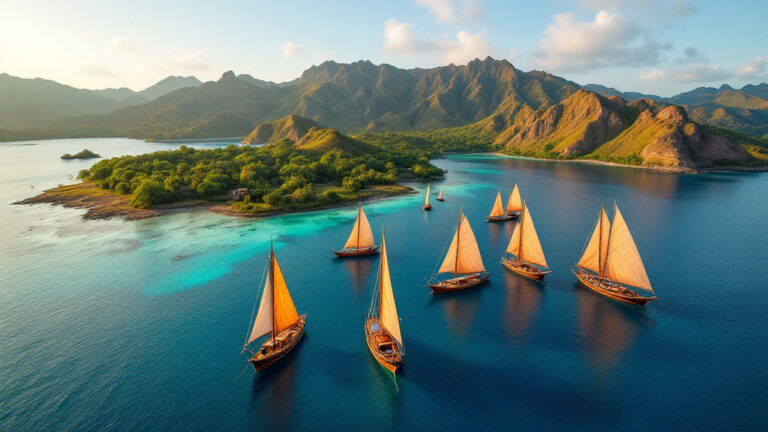
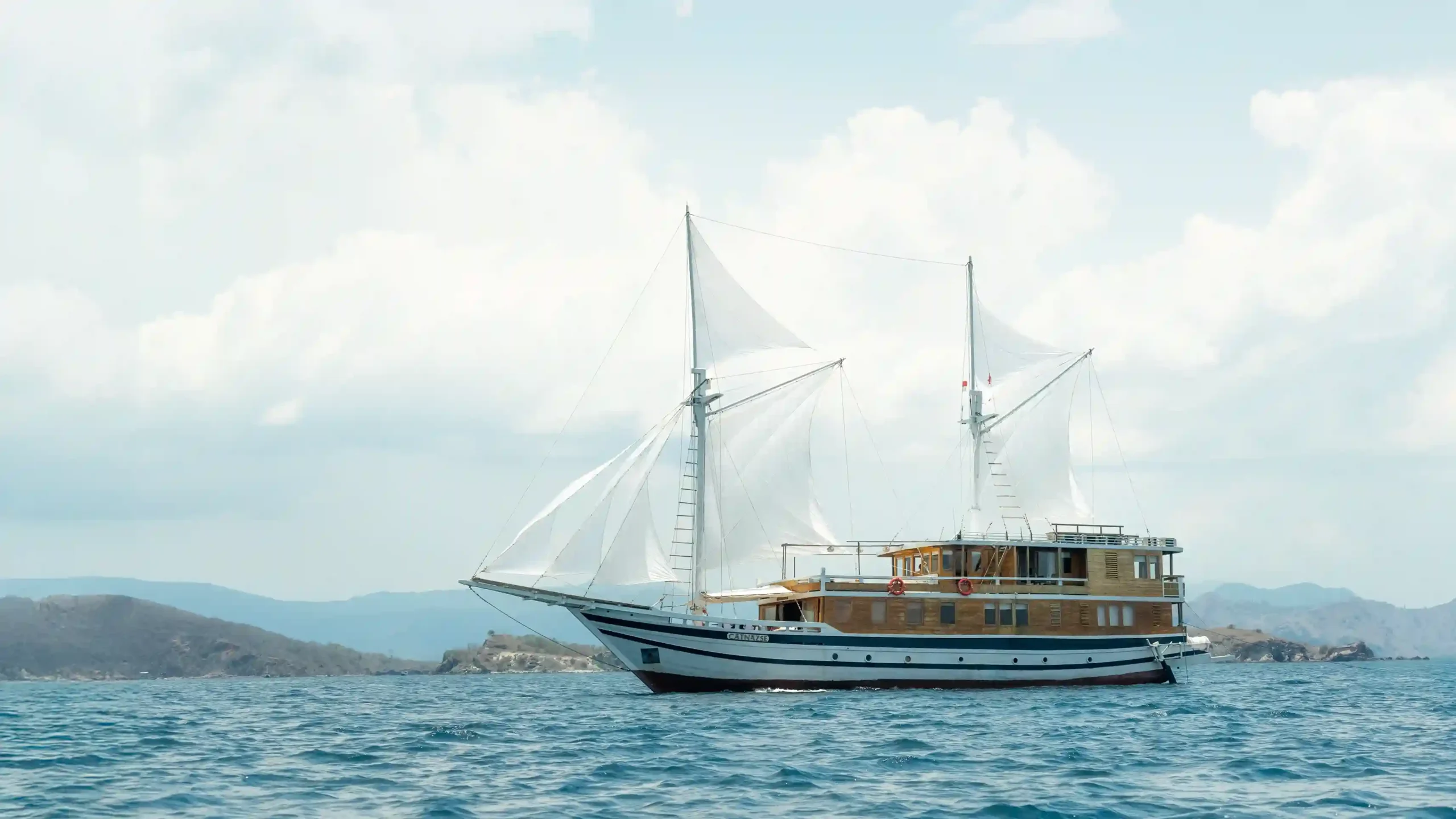
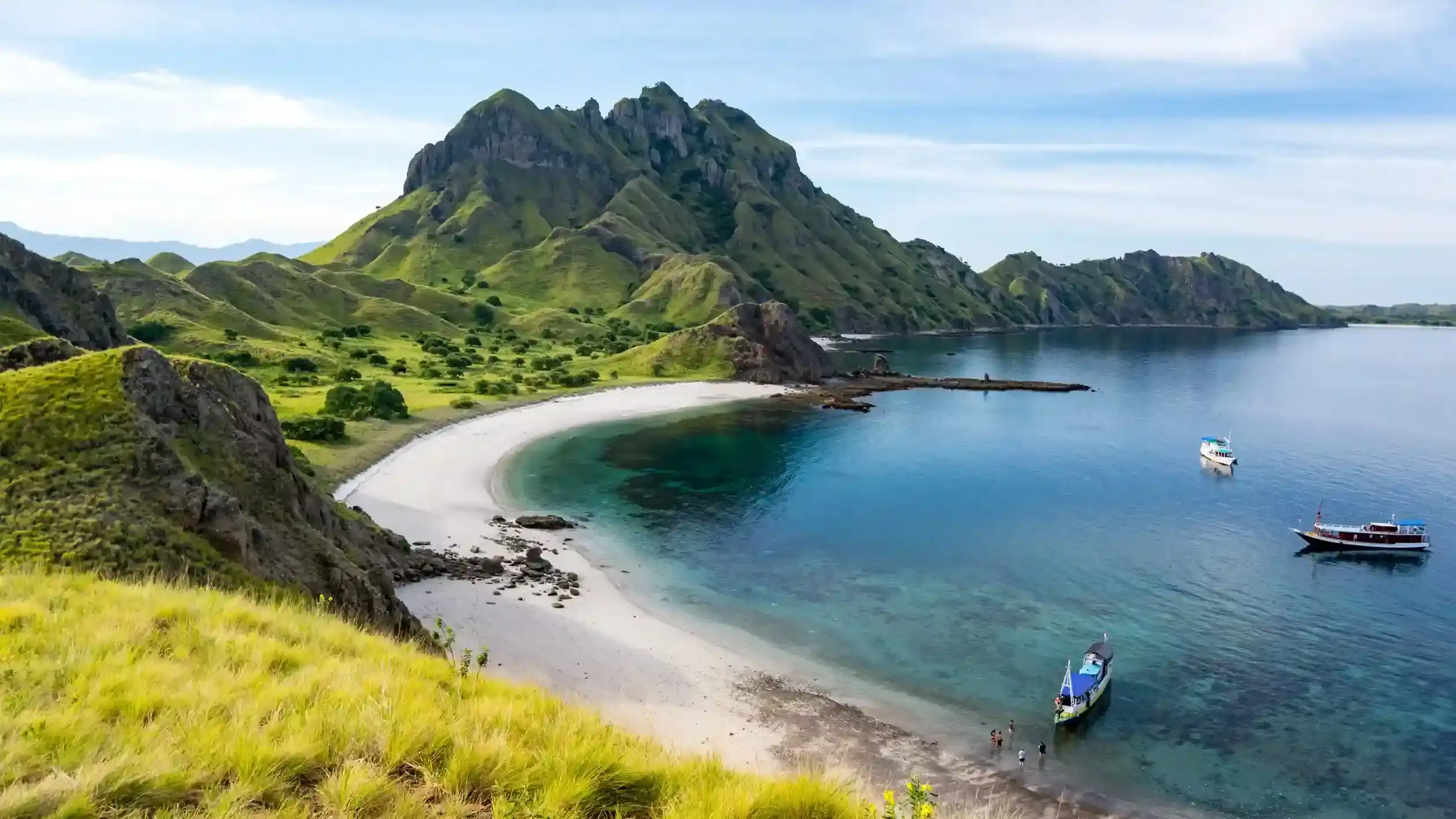
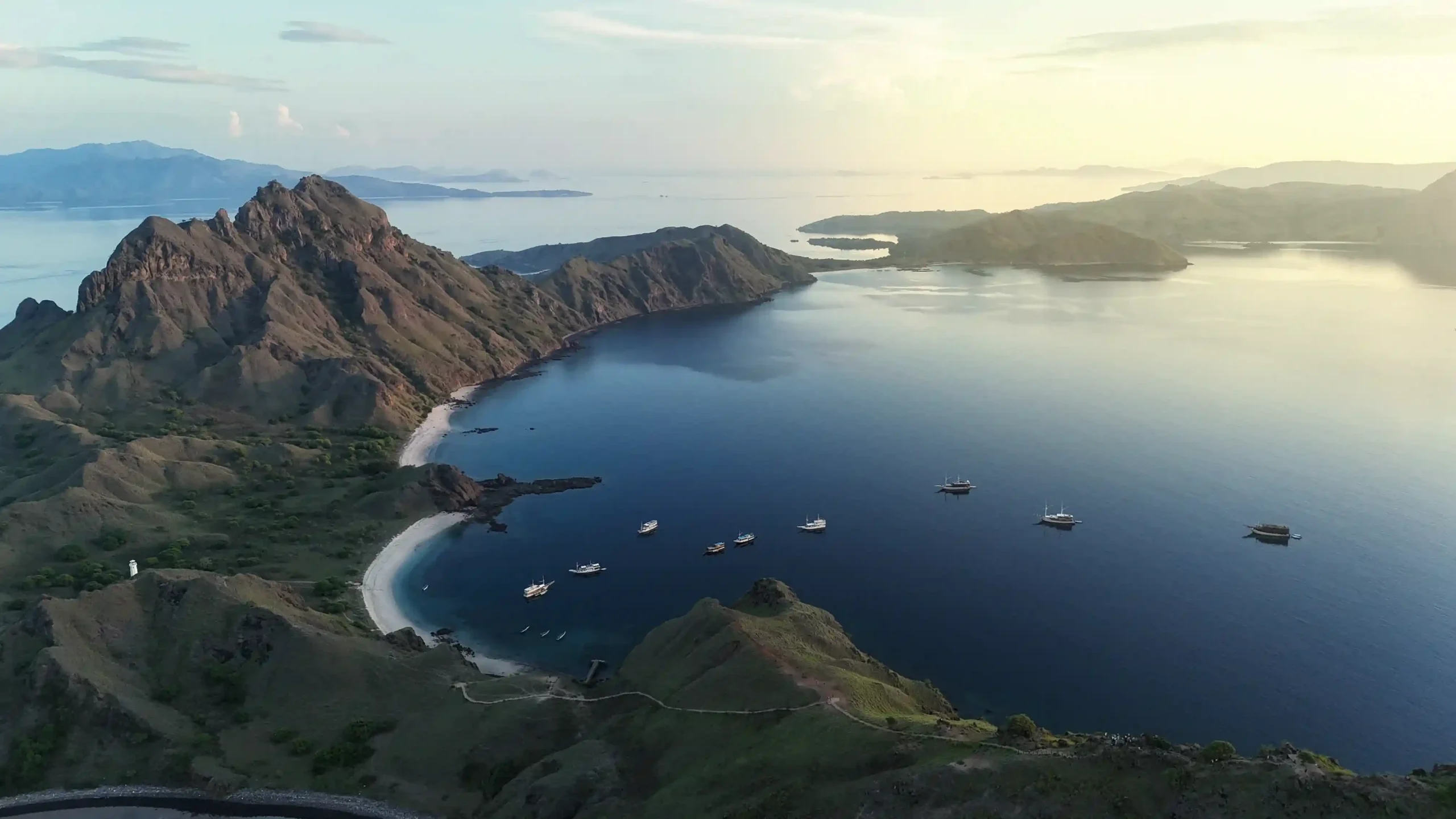
As you step aboard a traditional phinisi sailing boat, the salty sea breeze fills your lungs, and the sun casts a warm glow over the turquoise waters of Komodo National Park. The vibrant underwater world teems with life, while the rugged landscapes of Rinca and Padar beckon with their dramatic cliffs and rolling hills. Timing your journey is key to experiencing the best of this Indonesian paradise.
Understanding the Seasons
The climate in Komodo National Park is characterized by a tropical savanna climate, with distinct wet and dry seasons. The dry season spans from April to December, while the rainy season lasts from January to March. During the dry months, average temperatures hover around 30°C (86°F), with minimal rainfall, making it the prime time for a Komodo cruise.
In contrast, the rainy season sees temperatures drop slightly, but humidity rises, and rainfall can disrupt travel plans. If you’re considering a 2D1N or 3D2N itinerary, it’s essential to choose dates wisely to avoid the potential pitfalls of the wet months. For instance, the average rainfall in January can reach up to 200mm, whereas during July, it decreases to merely 10mm.
Peak Tourist Season: July to September
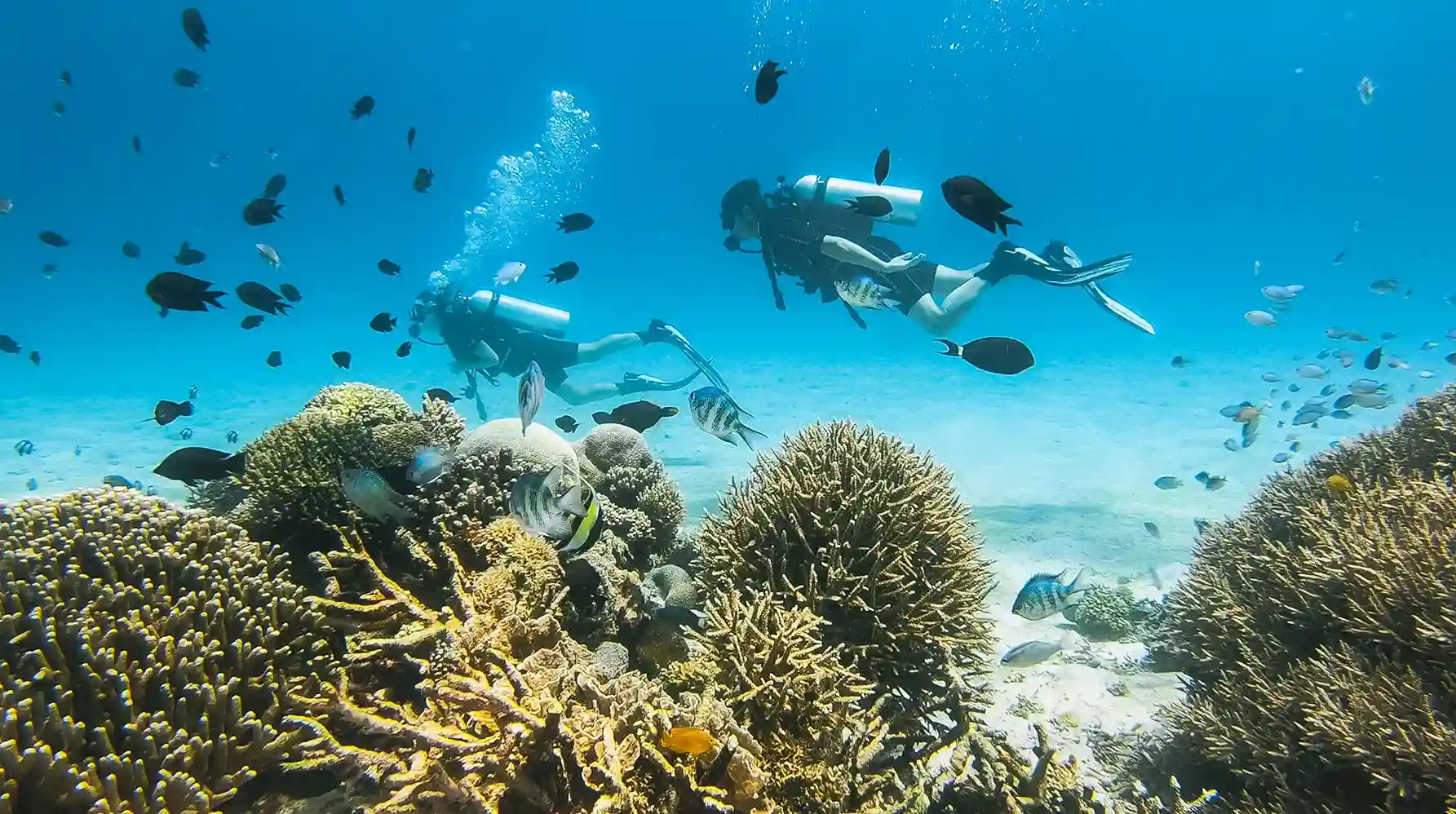
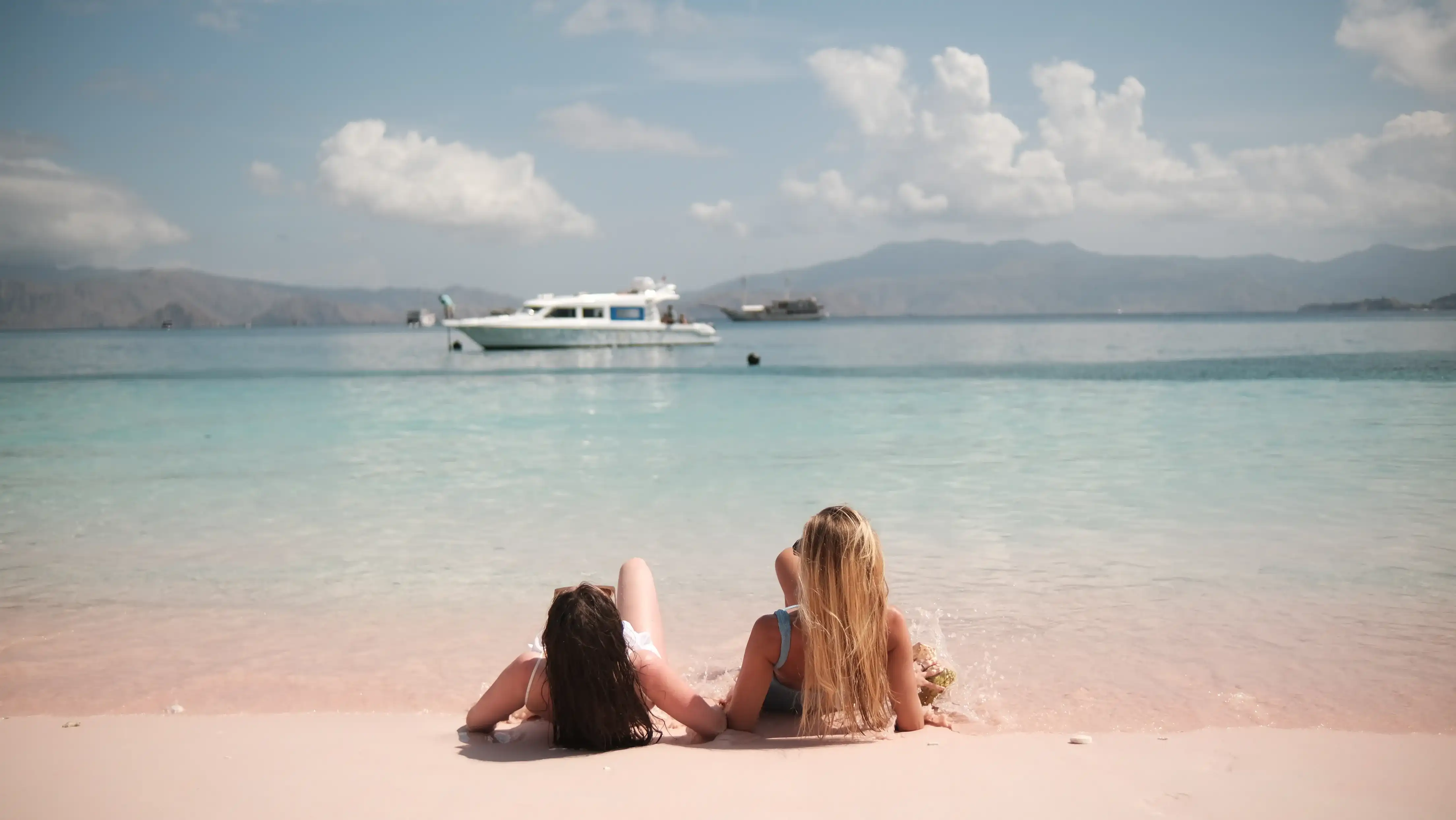
The peak tourist season in Komodo aligns with the dry months, particularly from July to September. During this period, the waters are crystal clear, ideal for diving and snorkeling. Visibility can reach up to 30 meters (98 feet), allowing divers to marvel at the vibrant coral reefs and diverse marine species, including manta rays and sea turtles.
Accommodations and liveaboard options tend to fill quickly during these months, with prices reflecting the demand. A 3D2N cruise can range from $600 to $1,200 per person, depending on the phinisi class and amenities offered. Booking well in advance is advisable to secure the desired itinerary and cabin type.
Optimal Diving Conditions: October and November
For those keen on diving, the months of October and November present some of the best conditions. The water temperatures average around 28°C (82°F), and the currents are generally more manageable than during the peak season. This time also marks the transition from the dry to the wet season, which can result in fewer crowds and more intimate encounters with marine life.
Diving enthusiasts can explore sites like Batu Bolong and Castle Rock, renowned for their abundance of fish and coral species. Dive shops in Labuan Bajo offer packages tailored for both beginners and experienced divers, with prices averaging $100 for a two-tank dive.
Monsoon Season: December to March
The monsoon season in Komodo runs from December to March, bringing increased rainfall and wind. While this may deter some travelers, those who do visit during these months can benefit from quieter landscapes and lower accommodation prices. Expect to pay up to 30% less for liveaboard cruises during the off-season.
However, weather can be unpredictable, leading to rough seas and potential cancellations of day trips. It’s advisable for travelers to remain flexible with their plans and consider additional days in Labuan Bajo to accommodate possible weather-related delays.
Local Insights: Weather Variability
Local weather can be quite variable, influenced by the region’s geography and ocean currents. The island of Flores experiences microclimates, meaning that conditions can differ significantly from one area to another. For example, while Labuan Bajo may be dry, Rinca Island could be experiencing light rain.
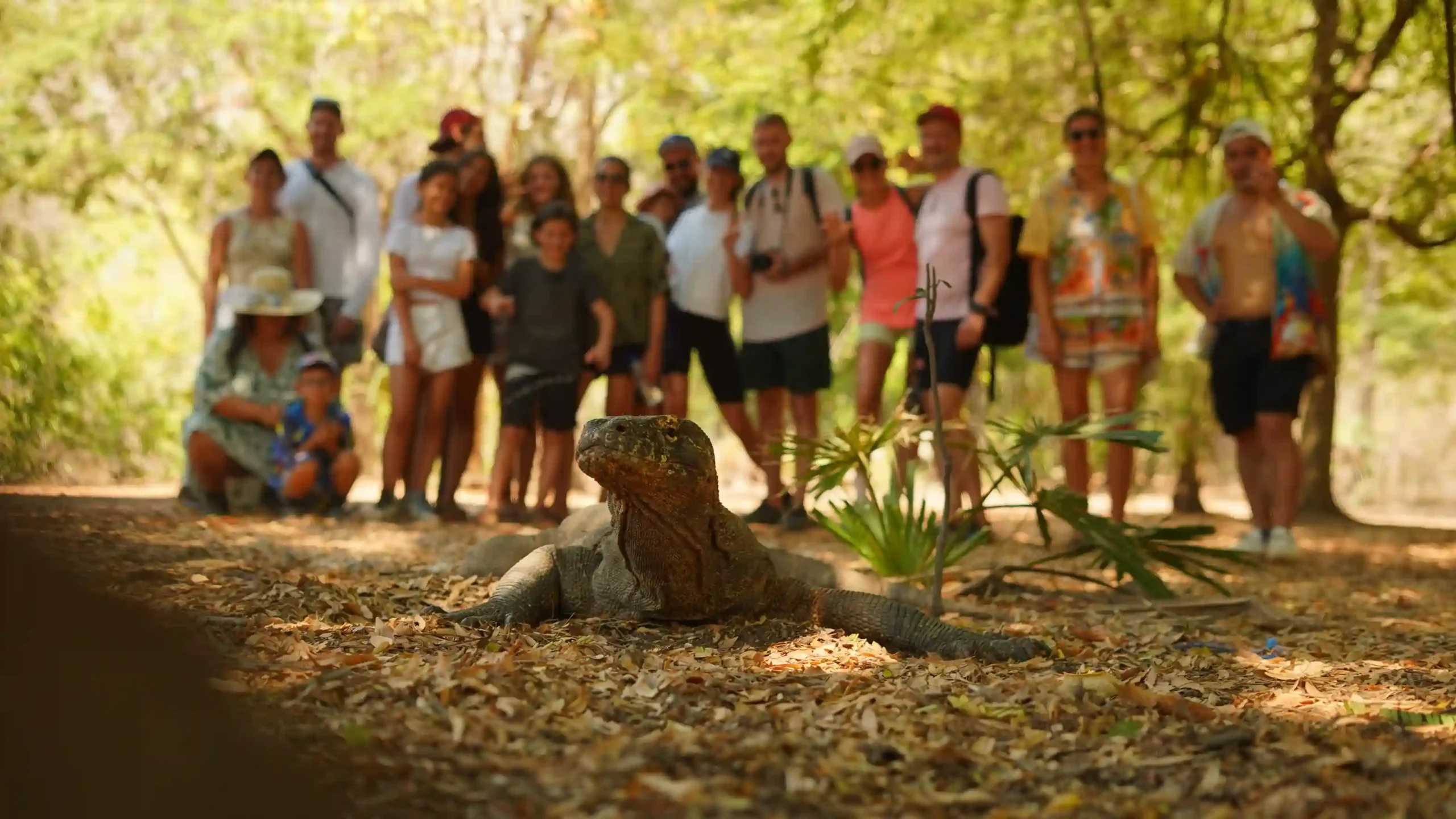
Engaging with local guides can provide real-time insights on weather conditions and the best places to visit on any given day. This adaptability is crucial for making the most of your Komodo cruise experience, especially if you’re interested in wildlife sightings, such as the iconic Komodo dragon.
What to Pack for Your Cruise
Packing wisely is essential for a successful Komodo cruise. Lightweight clothing that dries quickly, swimsuits, sun protection, and good walking shoes are a must. A light rain jacket can also be useful, especially if you are traveling during the transition months.
For diving enthusiasts, don’t forget your snorkel gear, underwater camera, and reef-safe sunscreen. Many liveaboards provide equipment for rent, but having your own can enhance your experience. As a general rule, aim to pack light, as cabin space on phinisi boats can be limited.
Booking Your Komodo Cruise: Timing and Prices
When planning your trip, consider booking your Komodo cruise well in advance, particularly if traveling during peak season. Prices for liveaboards can vary significantly based on the type of vessel and itinerary chosen. A 2D1N trip typically starts at around $400 per person, while a more luxurious 3D2N experience can reach upwards of $1,500.
Keep in mind that the Komodo National Park entrance fee also applies, which is approximately IDR 150,000 (about $10) for local residents and IDR 300,000 (about $20) for international tourists. This fee contributes to the conservation of the park and its unique ecosystems.
As you explore options, consider not only the itinerary but also the type of phinisi you’ll be on. The varying classes of phinisi offer different levels of comfort and amenities, so choose one that suits your travel style and budget.
For those ready to set sail on their Komodo adventure, visit komodo-cruise.com to explore a range of itineraries and options tailored to your travel needs. Whether you choose a liveaboard or a day cruise, the pristine landscapes and vibrant marine life await.