Komodo Cruise vs Liveaboard: Which Format Fits Your Trip?
Every liveaboard is a cruise; most cruises are not liveaboards. The differences that matter, compared side by side.
The difference between a Komodo cruise and a liveaboard is scope: a cruise is any boat trip through the national park, from a single day to several nights, while a liveaboard is the multi-night subset where the boat is your accommodation and the itinerary is built around consecutive days at sea — most often for diving. Every liveaboard is a cruise; most cruises are not liveaboards.
The label matters less than what it implies for route reach, daily rhythm, and cost structure. This page puts the two formats side by side so you can decide on substance, not terminology.
Definitions, Without the Marketing
- Komodo cruise — umbrella term. Includes day cruises, overnight 2D1N sailings, shared open trips, and private charters of any length.
- Liveaboard — a boat you sleep on for multiple consecutive nights, typically 3–6, with the itinerary structured around morning-to-dusk activity from the vessel. In Komodo the term is strongly associated with dive-focused schedules of three to four dives a day.
Head-to-Head Comparison
| Criterion | Short cruise (1–2 nights) | Liveaboard-style (3+ nights) |
|---|---|---|
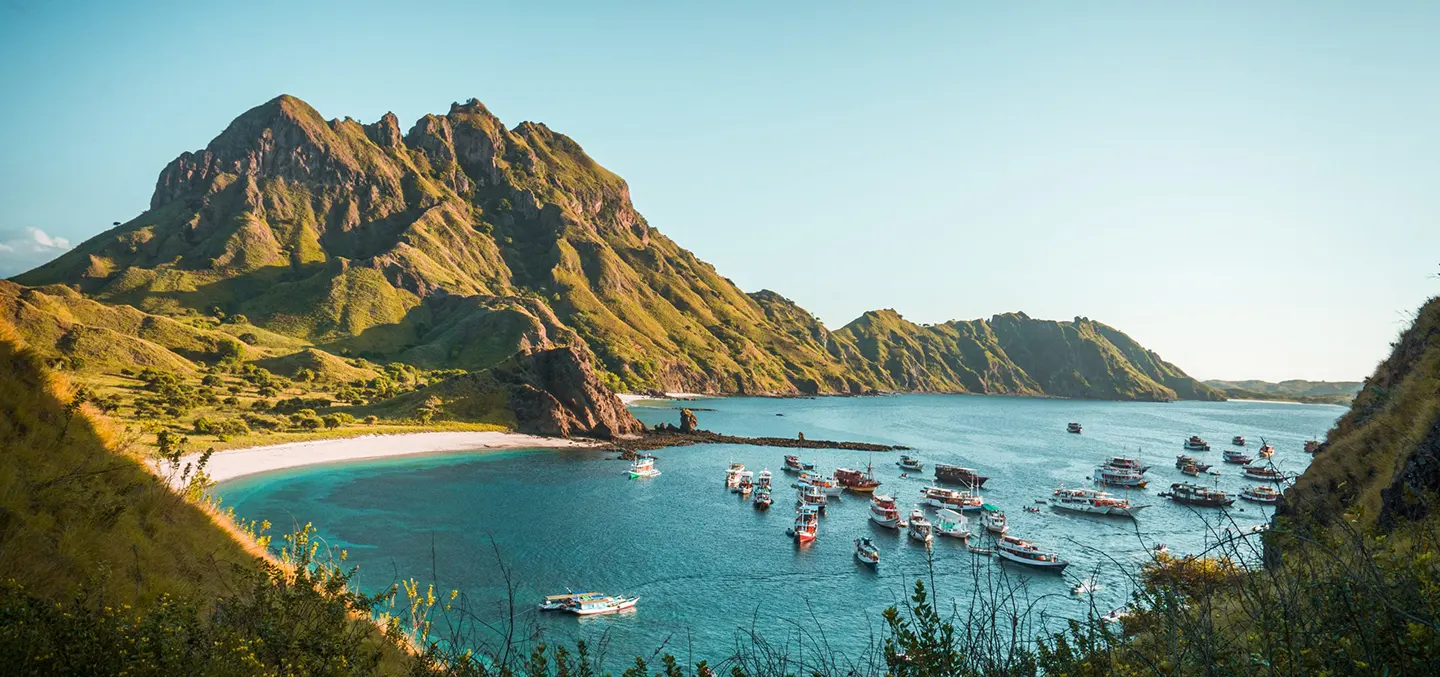
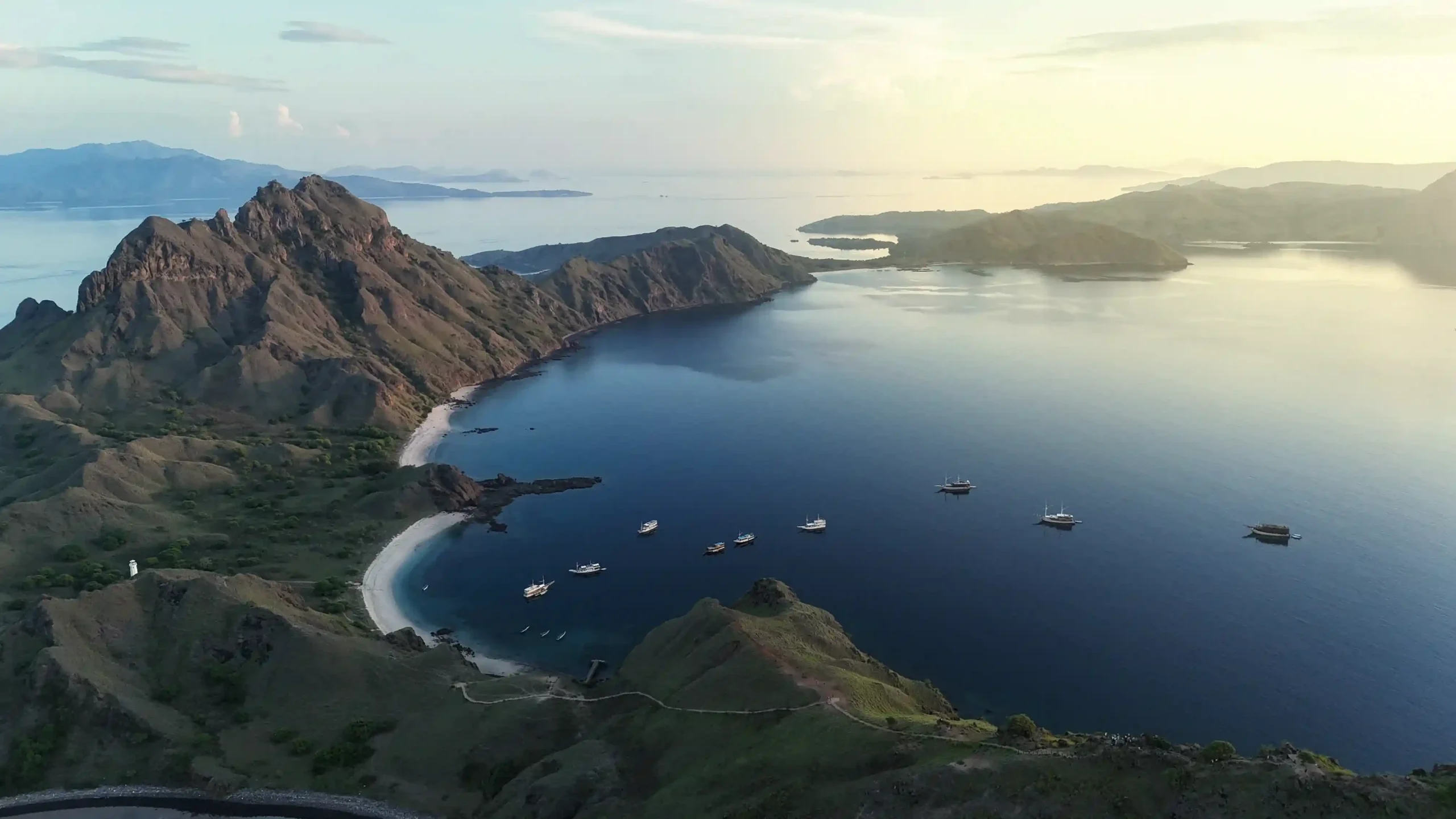
| Route reach | Central icons: Padar, Pink Beach, Komodo Island, Manta Point | Adds northern sites (Gili Lawa, Castle Rock area) and the quieter south |
| Daily rhythm | Dense: 4–6 stops per day, early starts | Paced: activities spread out, more time in the water at each site |
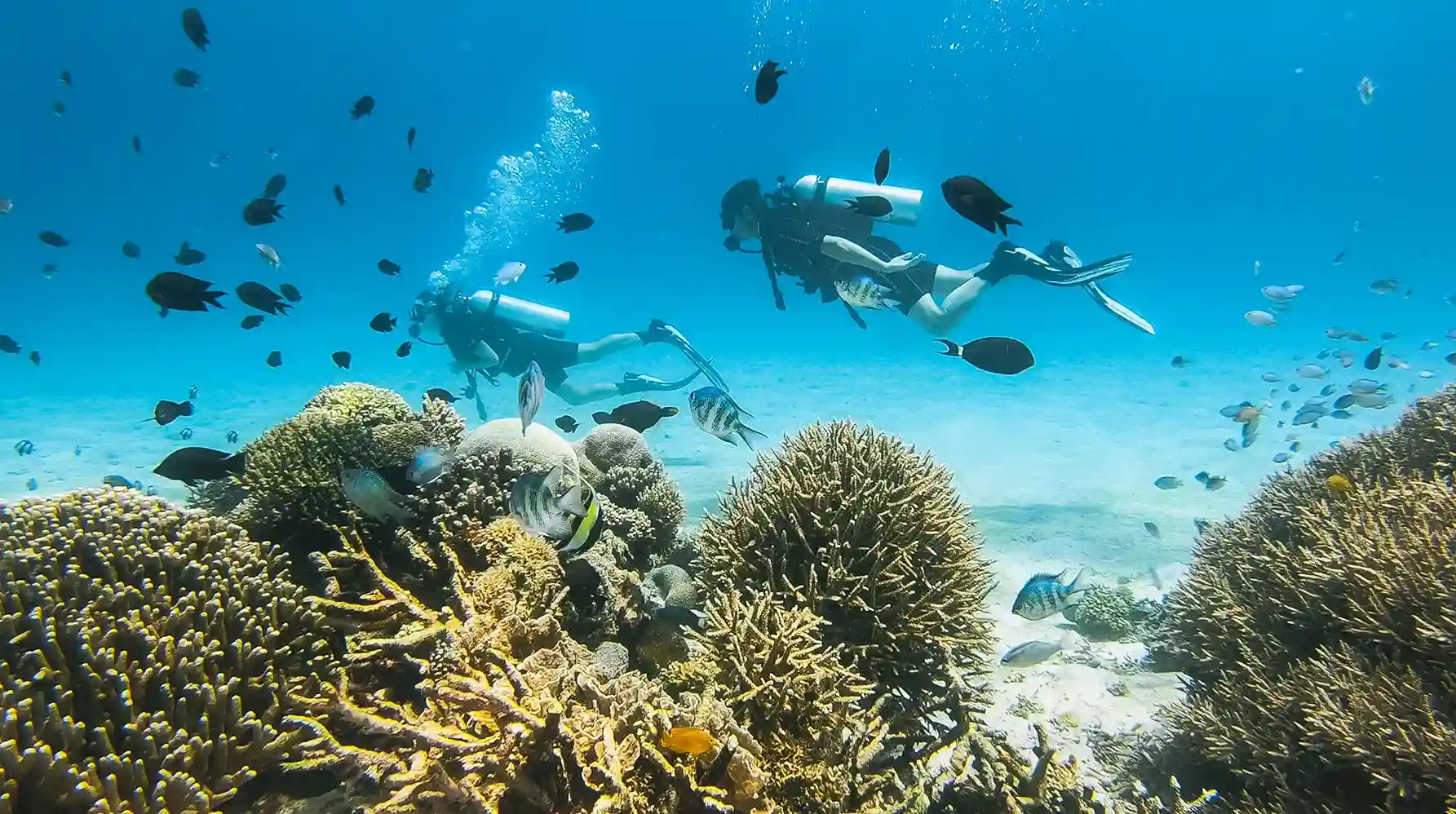
| Diving | Snorkeling standard; diving only on request | The format built for it — tanks, compressor or supply runs, dive guides |
| Cost structure | Lower absolute spend; per person or per boat per night | Higher absolute spend; per-night rate similar, more nights |
| Comfort stakes | One night on board — most cabins are tolerable | Cabin quality compounds; en-suite and airflow matter by night three |
| Weather exposure | Lower — short windows are easier to schedule around | Higher — but longer trips can re-route rather than cancel |
| Best for | First-timers, tight schedules, non-divers | Divers, photographers, travelers who want the whole park |
Choose a Short Cruise If…
- You have two days or fewer in Labuan Bajo — a 2 day Komodo cruise covers the icons without a single wasted hour.
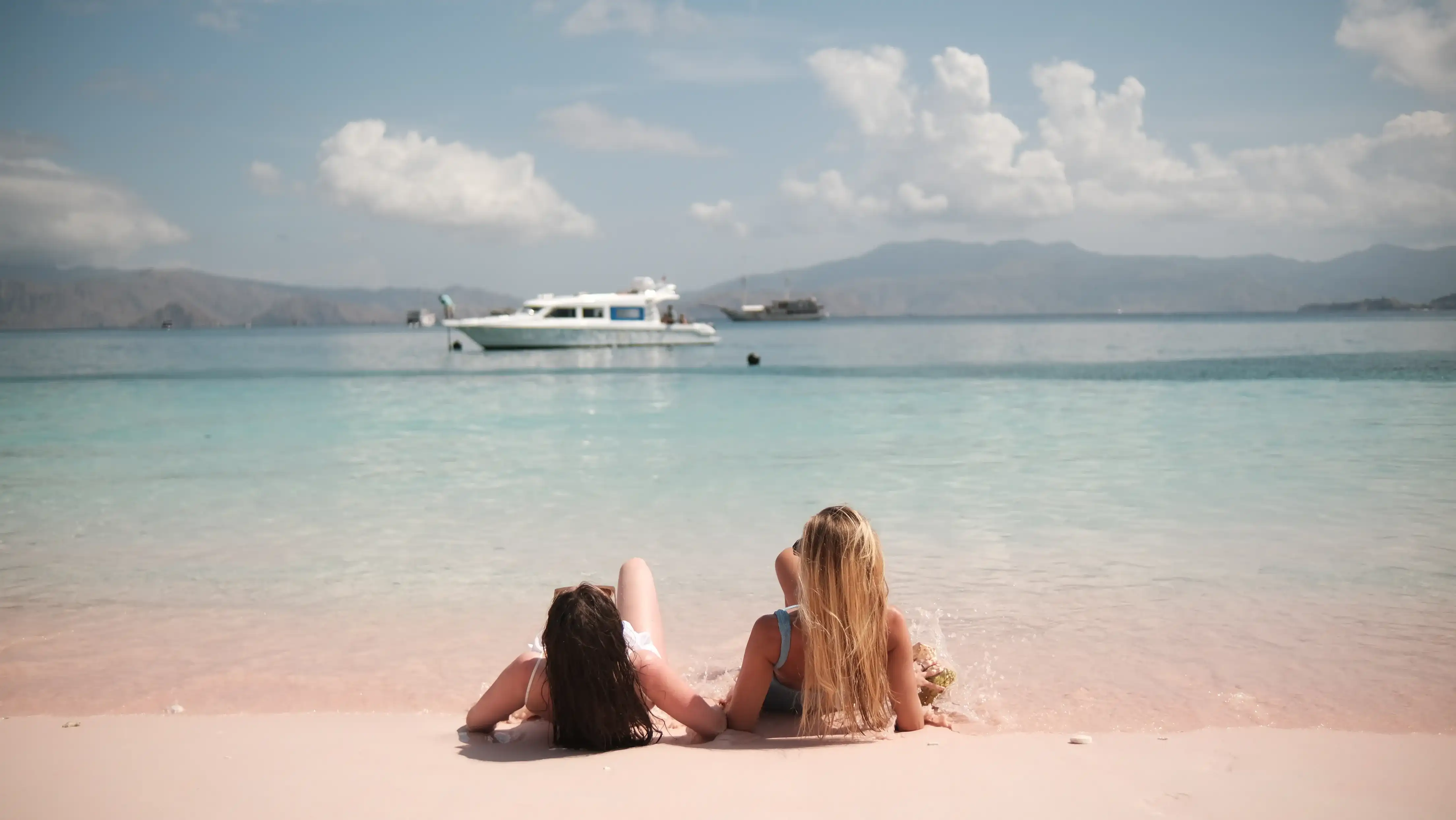
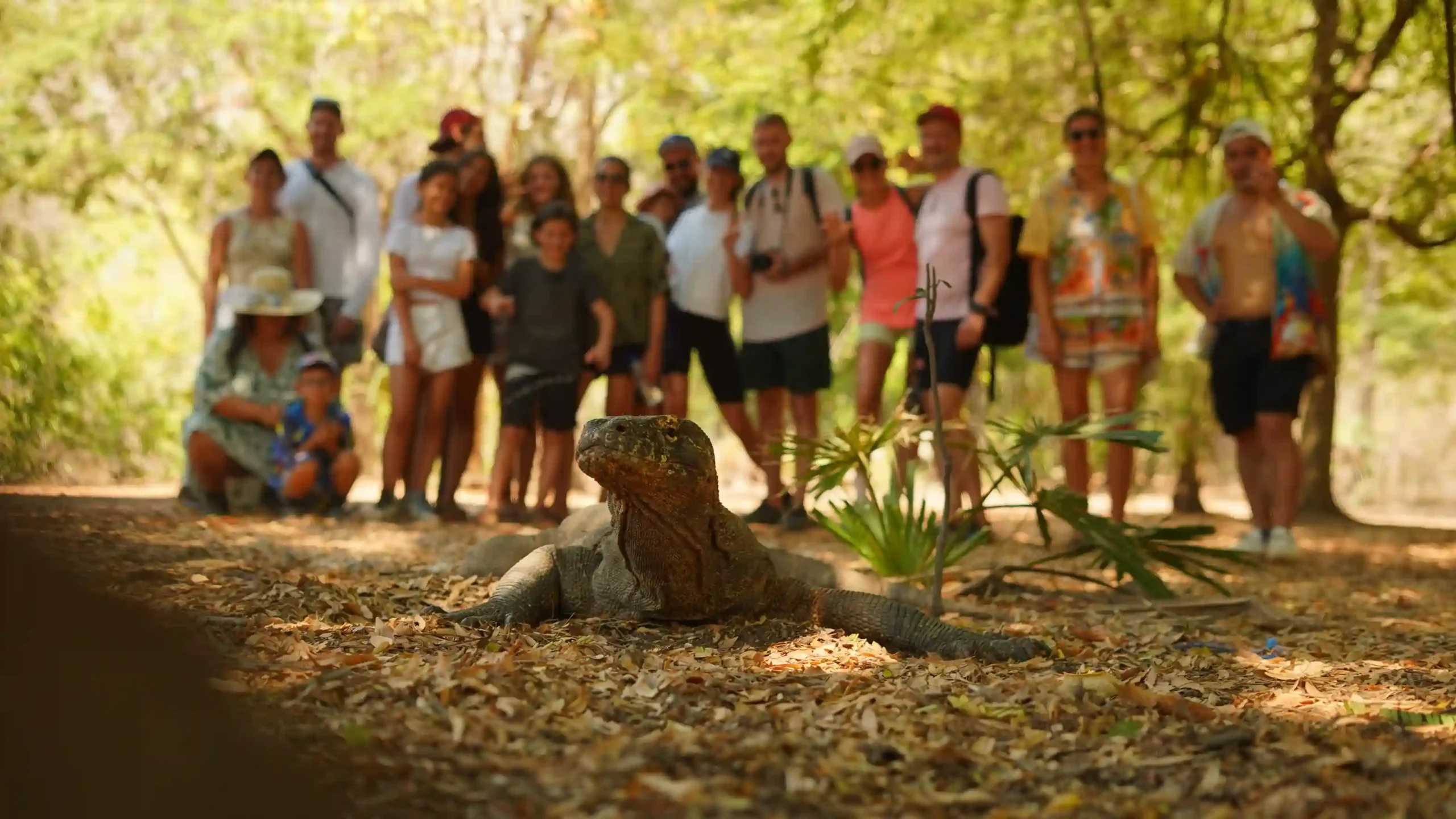
- You are not diving. The land and snorkel highlights concentrate in the central park, all reachable overnight.
- You are testing sea legs. One night at anchor in a calm bay is a gentle introduction; five nights in a rolling south-coast swell is not.
- Budget is the constraint: fewer nights is the cleanest lever on total cost, as our price comparison shows.
Choose a Liveaboard-Style Trip If…
- You dive. Komodo’s signature sites — the northern drifts, Manta Alley in the south — need consecutive days and tide timing that a short loop cannot deliver.
- You want the park beyond the postcards. From day three, boats reach anchorages that day boats never see, and you will notice how empty they are.
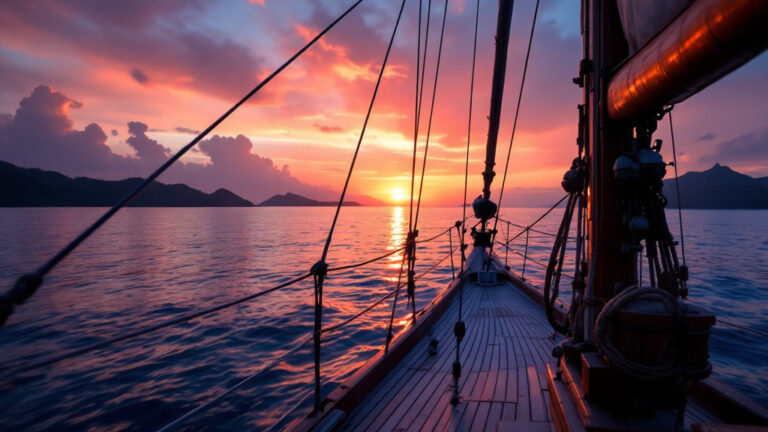
- You are a photographer chasing light: sunrise at Padar and golden hour at Kalong Island on the same trip requires nights on board.
- You value slow travel — sailing time becomes part of the holiday rather than transit between stops.
For dedicated multi-night itineraries across the specialist fleet, Labuan Bajo Liveaboard is the deeper resource on that side of the market; for the whole-boat version of either format, see our private charter guide.
The Hybrid Most Travelers Actually Book
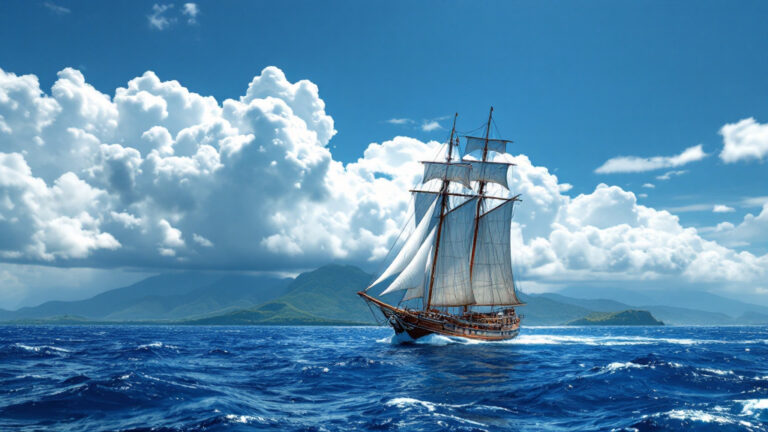
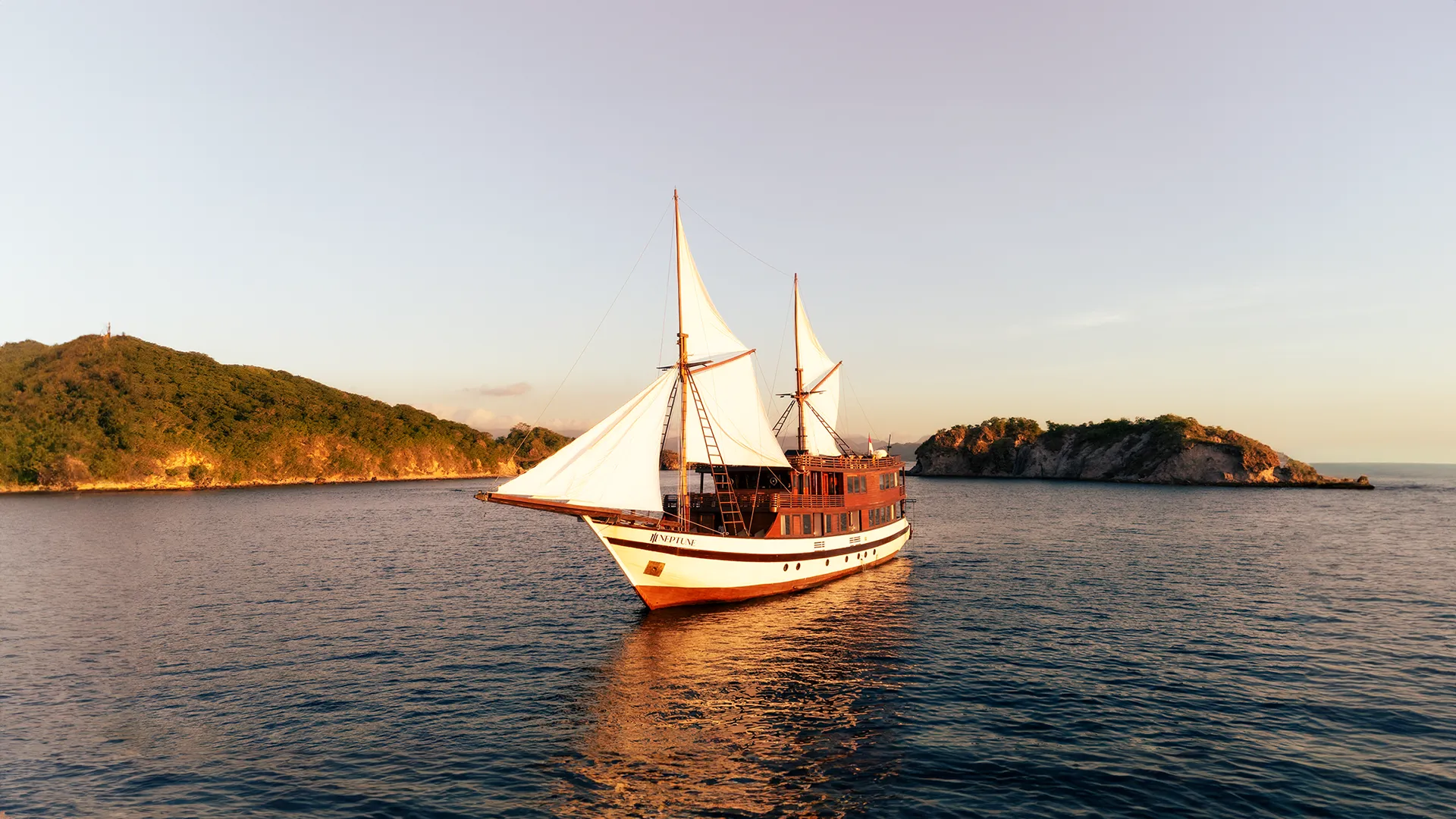
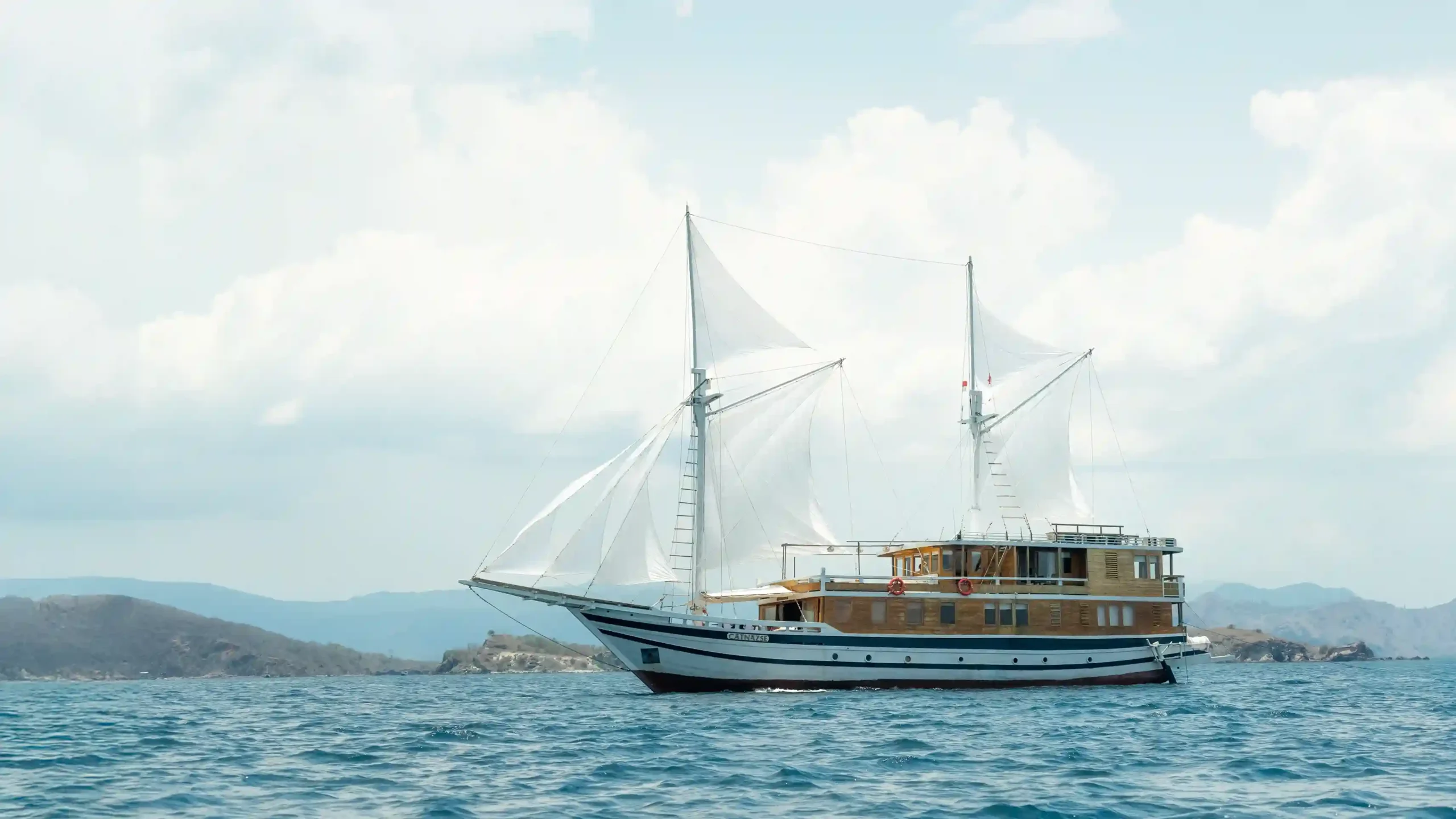
In practice, the most popular Komodo trip is a 3D2N sailing — technically a short liveaboard, marketed as a cruise. It reaches one zone beyond the central loop, keeps costs a night below the classic 4D3N, and fits between two flights. If you are stuck between formats, that is the compromise the market has already voted for. Compare it against the 4 day Komodo cruise to see exactly what the extra night buys.
The Time-and-Money Math, Side by Side
Think in totals, not labels. A 2D1N cruise consumes two calendar days and one night’s fare; a 4D3N liveaboard-style trip consumes four days and three nights’ fare on a similar per-night basis — roughly triple the boat spend for roughly triple the park. The per-night rate is not where the decision lives; the number of nights is. There is also a hidden cost on the short side: travelers who book 2D1N, fall for the park, and return the following year to do the longer trip have effectively paid for the icons twice. If the park is a once-in-a-decade trip for you and the schedule can stretch, buy the nights the first time. If Komodo is a stop on a longer Indonesian route, the short cruise is the rational slice — and our cost guide shows where the rest of the budget goes.
Frequently Asked Questions
Is a liveaboard better than a cruise in Komodo?
For divers and full-park exploration, yes. For first-timers with two days who want the icons, a short cruise delivers more per hour and per dollar.
Do I need to be a diver for a liveaboard-style trip?
No. Snorkel-focused multi-night sailings exist and manta encounters happen at snorkel depth. But if nobody in your group dives, a 2–3 day cruise usually fits better.
Is seasickness worse on longer trips?
Exposure is longer, but longer itineraries also have more freedom to shelter and re-route. April–November seas are generally calm; December–February crossings are the rough ones.
Can a private charter be a liveaboard?
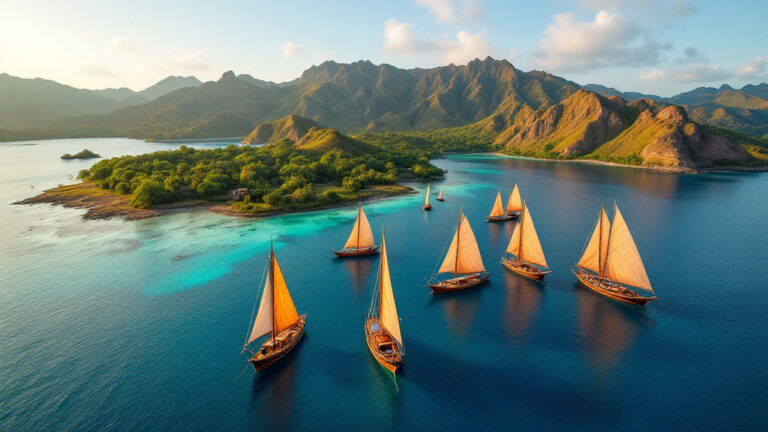
Yes — charter any phinisi for three or more nights and route it around diving or photography, and you have built a private liveaboard. The format is defined by nights and rhythm, not by the boat.
Which costs more per night?
Rates per night are broadly similar for the same vessel class; the total differs because liveaboard-style trips run more nights. Dive support adds a surcharge on any format.
Undecided between formats? Send your dates, group size, and whether anyone dives to WhatsApp +62 811-3823-875 — we will recommend one format, one route, and two boats, with reasons.
Related Guides
Explore More Komodo Cruise
Browse guides, itineraries and everything you need to plan your cruise.