Komodo Cruise Route Guide: North, Central & South Compared
Count the nights, check the zones, and every cruise brochure becomes easy to judge.
Every Komodo cruise route is built from three zones — central, north, and south — and the number of nights you book determines how many zones you can reach. Day trips and 2D1N loops live in the central zone; the north opens from the second night; the south demands a third night and the right season.
This is the route map behind every itinerary you will be quoted. Read it once and cruise brochures become easy to judge: count the nights, check the zones, and you know instantly whether a route is honest.
The Three Zones
| Zone | Signature stops | Minimum format | Season notes |
|---|---|---|---|
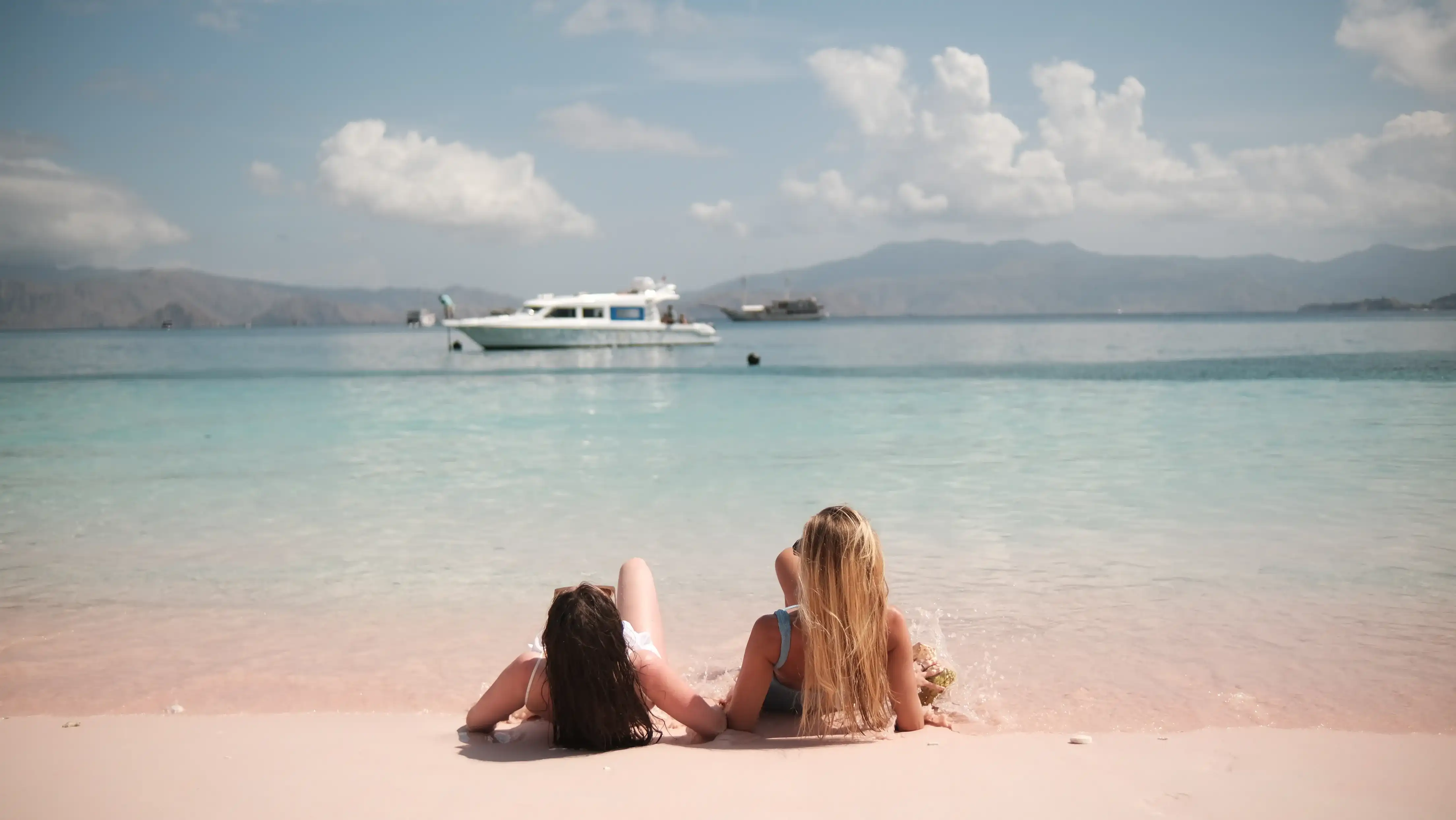
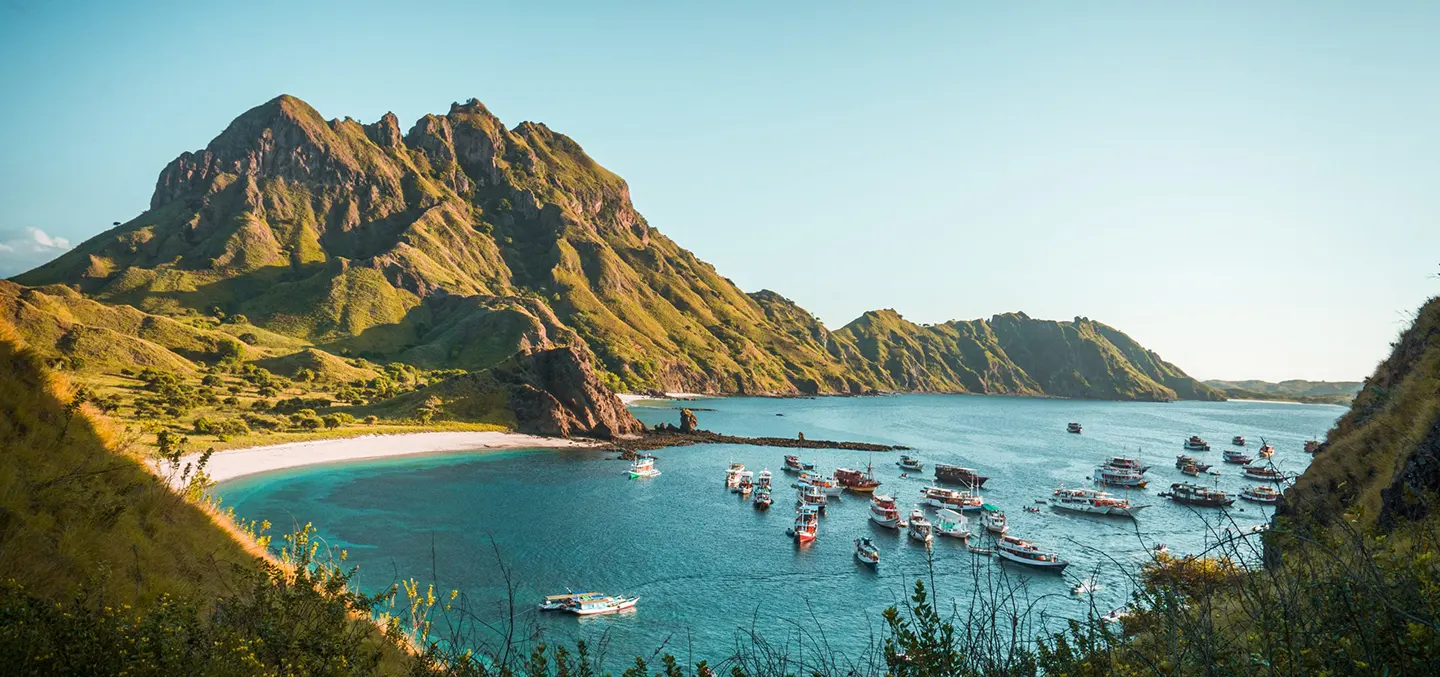
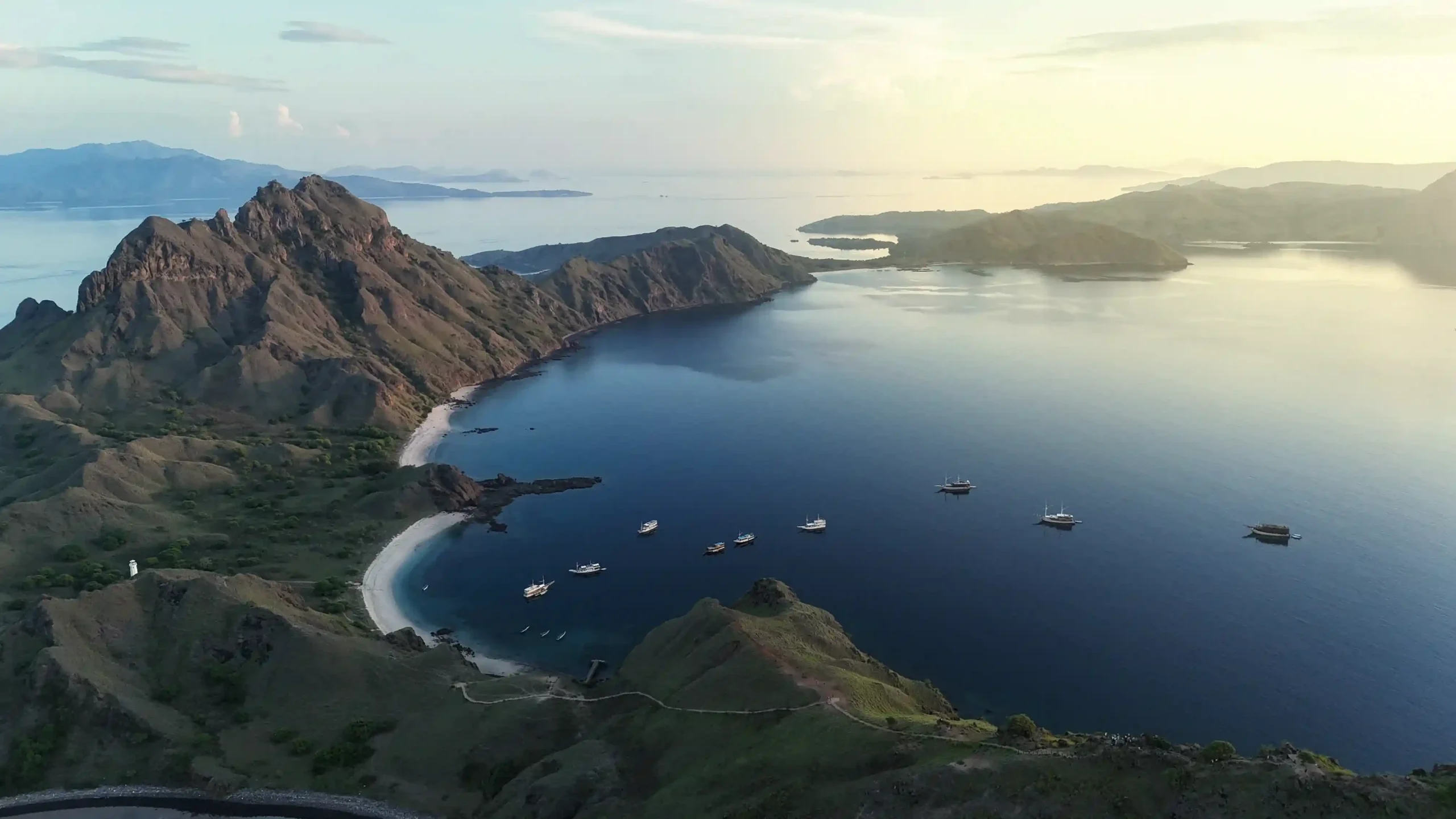
| Central | Padar viewpoint, Pink Beach, Komodo Island (Loh Liang), Manta Point, Taka Makassar, Kalong Island | Day trip (partial) / 2D1N (complete) | Accessible year-round; sheltered options in most weather |
| North | Gili Lawa Darat ridgeline, Gili Lawa channels, northern drift reefs (Castle Rock area for divers) | 3D2N | Best April–November; exposed in strong north swells |
| South | Manta Alley, southern Padar bays, remote anchorages toward Nusa Kode | 4D3N (or a committed 3D2N in perfect weather) | Dry-season access; often closed December–February |
Route Templates by Trip Length
- Day trip: a central sprint — Padar, Pink Beach, dragons, Manta Point — with the clock always running. Detailed in our day cruise guide.
- 2D1N: the complete central zone with its two crown moments, Padar at dawn and Kalong at dusk. Hour-by-hour in our 2 day cruise guide.
- 3D2N: central icons plus a northern day — Gili Lawa’s ridge and channel snorkeling — or a southern probe when seas are kind. The market’s most-booked compromise; itinerary in our 3-day itinerary.
- 4D3N: two zones at full length with weather slack — the full-park format, mapped in our 4 day cruise guide.
- 5D4N and beyond: all three zones, repeat passes at the manta sites, and the empty far anchorages. See the 5-day itinerary.
How Captains Actually Sequence a Route
Published itineraries list stops; the sea decides order. Four forces shape the real sequence:
- Tides. Manta Point works on moving water; Taka Makassar needs the sandbank above the tide. Good captains slot these first and arrange everything else around them.
- Ranger station traffic. Loh Liang queues at mid-morning in high season; boats that trek at 7am or 3pm walk straight in.
- Crowd windows. Padar between 9am and 2pm is a procession. Overnight boats climb at dawn precisely because day boats cannot.
- Wind and swell. Afternoon crossings roughen; experienced captains run exposed legs in the morning calm and anchor early. In the wet season, whole zones swap for sheltered alternates.
A “flexible itinerary” is not vagueness — it is the seamanship the park requires. What should never be flexible: the number of stops you were sold, and the zones your nights paid for.
Reading a Quoted Itinerary Critically
- Count zones against nights. A “south coast” promise on a 2D1N is a red flag — the math does not sail.
- Check for anchor stops vs sail-bys. “Passing Gili Lawa” is not a landing. Ask which stops include time ashore or in the water.
- Confirm dragon-island choice. Komodo and Rinca are alternatives on most routes, not a pair; both is a specific request.
- Season-match the promise. Southern stops quoted for January deserve a direct question about the backup plan.
Format economics — what each night costs and why — are in our price comparison; the whole decision tree is in best Komodo cruise. At the premium end, route planning is concierge work: Komodo Luxury builds private routes around exactly these constraints.
Route Myths Worth Retiring
- “More stops means a better route.” Eight rushed stops photograph worse than five properly timed ones. Judge routes by anchor time, not list length.
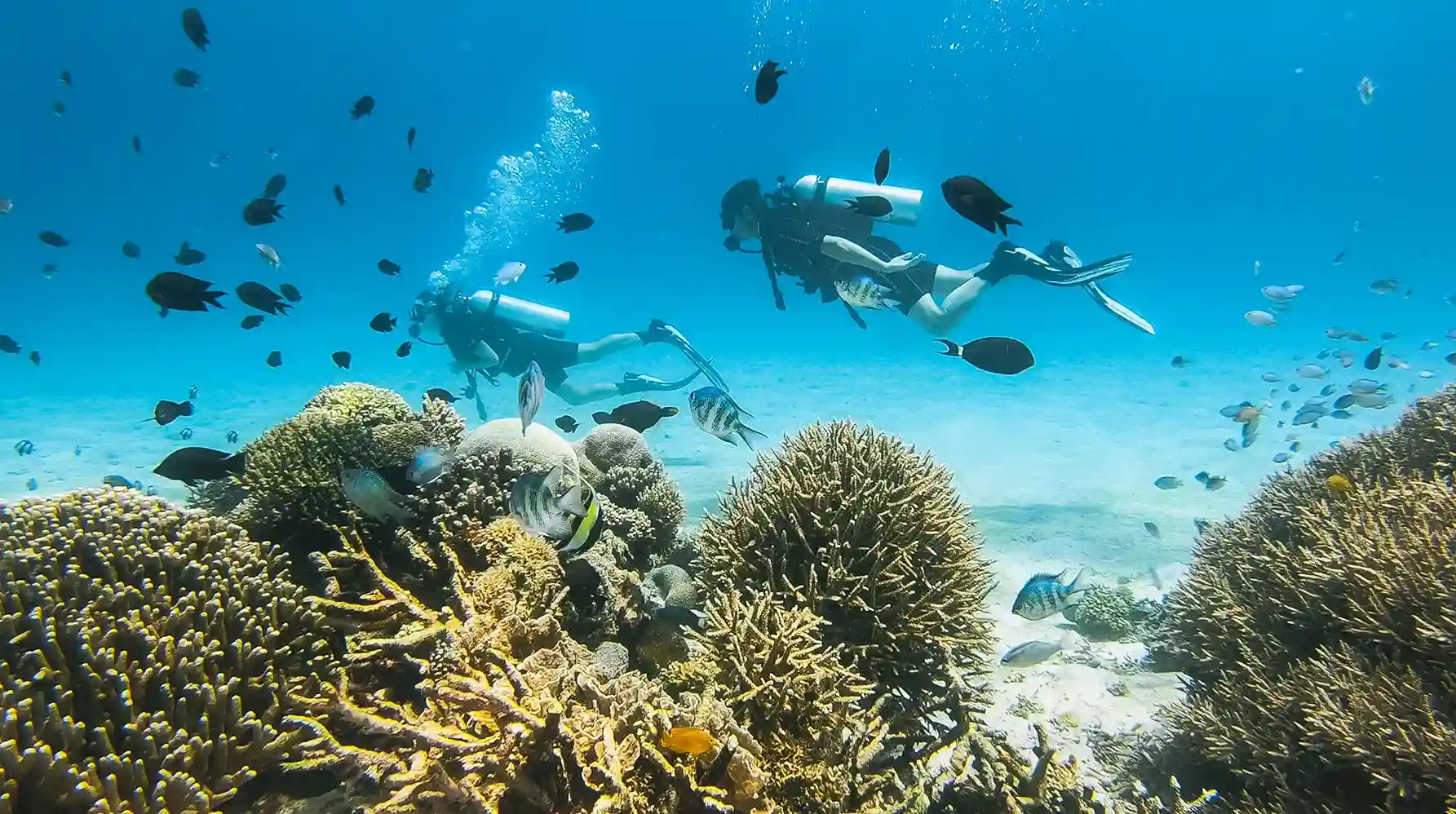
- “The south is only for divers.” The southern bays are the park’s emptiest landscapes at snorkel depth too — the barrier is nights and season, not tanks.
- “Day one is wasted on sailing.” On well-planned routes day one lands dragons and a dusk anchorage; only badly sequenced routes burn it in transit.
- “Every boat runs the same loop.” The central icons repeat, but timing separates the fleet: two boats can share five stops and zero crowd windows.
Frequently Asked Questions
What is the best Komodo cruise route for first-timers?
The complete central zone over 2D1N. It contains the park’s icons and both signature light moments. Add a third day for the north if the schedule allows.
Can a route include both Komodo and Rinca islands?
Yes, on 3D2N and longer — or on request for private charters. Most standard routes pick one; sighting quality is strong on either.
Which route is best for manta rays?
Central Manta Point works year-round on the right tide; the southern Manta Alley aggregations peak in the wet season, when only longer, well-captained routes reach them. Two passes across two days beats one perfect plan.
Do routes change in the rainy season?
Yes — south closes most often, exposed crossings shift to mornings, and sheltered central alternates step in. This is normal and correct; a captain who never re-routes is the one to worry about.
Are private charter routes really custom?
Within fuel, tides, and park rules — genuinely yes. You set the priorities (photography, diving, dragons, empty beaches) and the captain sequences them. See our private charter guide.
Want your route sanity-checked before you book anywhere? Send the quoted itinerary to WhatsApp +62 811-3823-875 — we will tell you if the zones match the nights, free, before you pay anyone a deposit.
Related Guides
Explore More Komodo Cruise
Browse guides, itineraries and everything you need to plan your cruise.