Komodo National Park Cruise: Rules, Routes & Entry Points
The park rules, route zones and entry logistics that make sense of every cruise brochure you will read.
A Komodo National Park cruise is the only practical way to experience the park: a UNESCO World Heritage Site of three major islands and dozens of islets where the attractions — dragons, viewpoints, reefs, manta aggregations — are separated by water. Every itinerary departs from Labuan Bajo on Flores, the park’s sole gateway town.
This page covers what the park actually is, the rules every visitor operates under, how routes divide into zones, and the practical logistics of entry — the framework that makes sense of every cruise brochure you will read.
The Park in Brief
- Status: Indonesian national park since 1980; UNESCO World Heritage Site since 1991, listed for the Komodo dragon and its marine ecosystems.
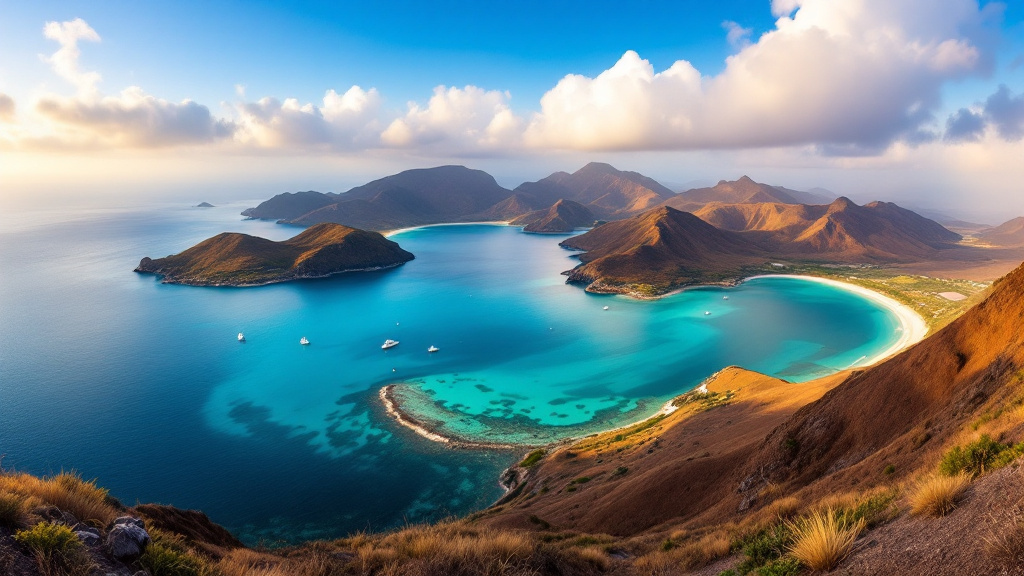
- Geography: Komodo, Rinca, and Padar islands plus smaller islets, spanning roughly 1,700 km² of land and protected sea between Flores and Sumbawa.
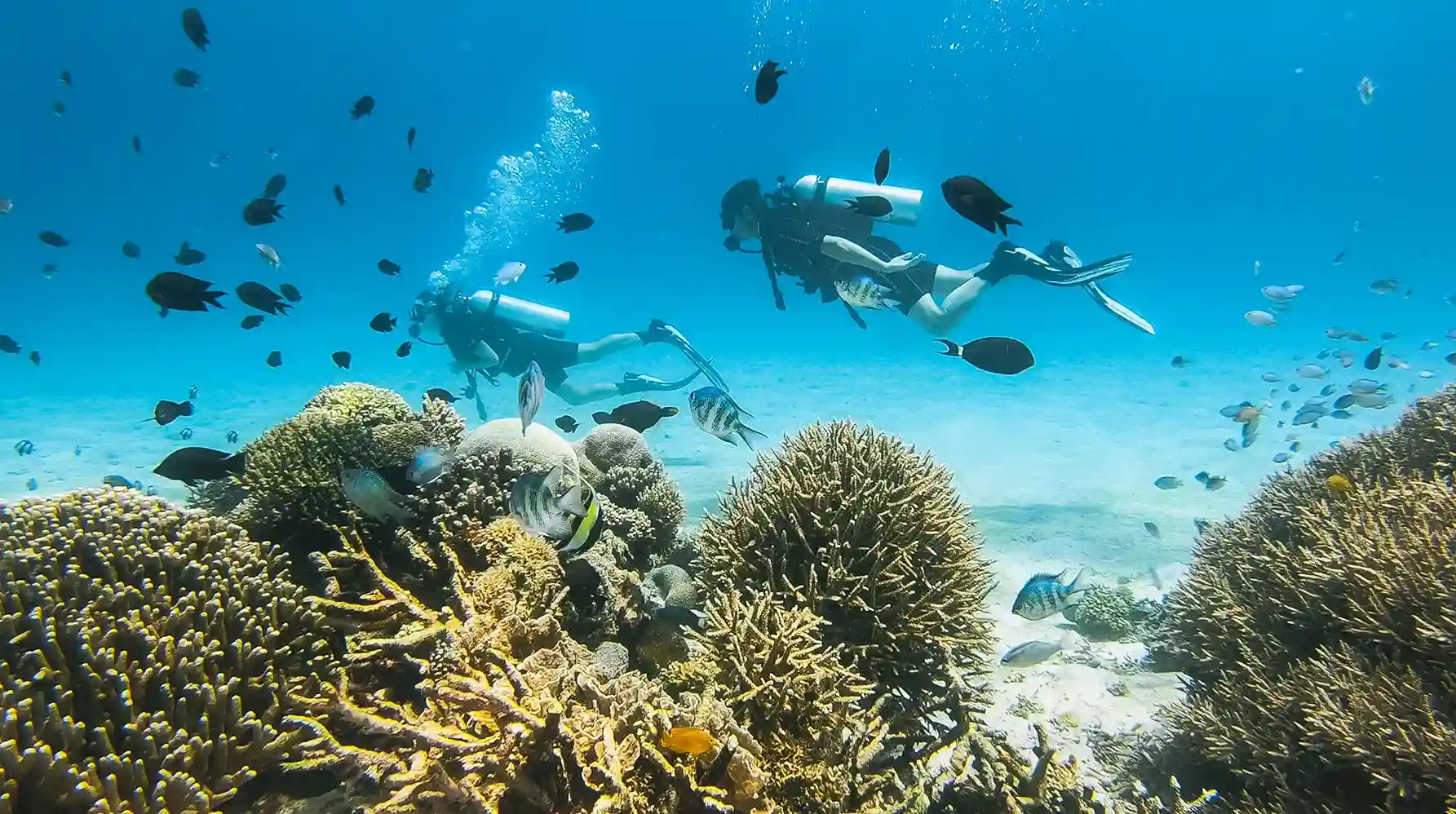
- Wildlife: the world’s only wild Komodo dragon populations on land; reef mantas, turtles, and some of Indonesia’s richest coral in the water.
- Access: by boat from Labuan Bajo, which is served by direct flights from Bali and Jakarta. There is no accommodation-and-airport hub inside the park itself; boats are the infrastructure. The full approach from Bali is covered in our Bali to Komodo guide.
Park Rules That Shape Every Cruise
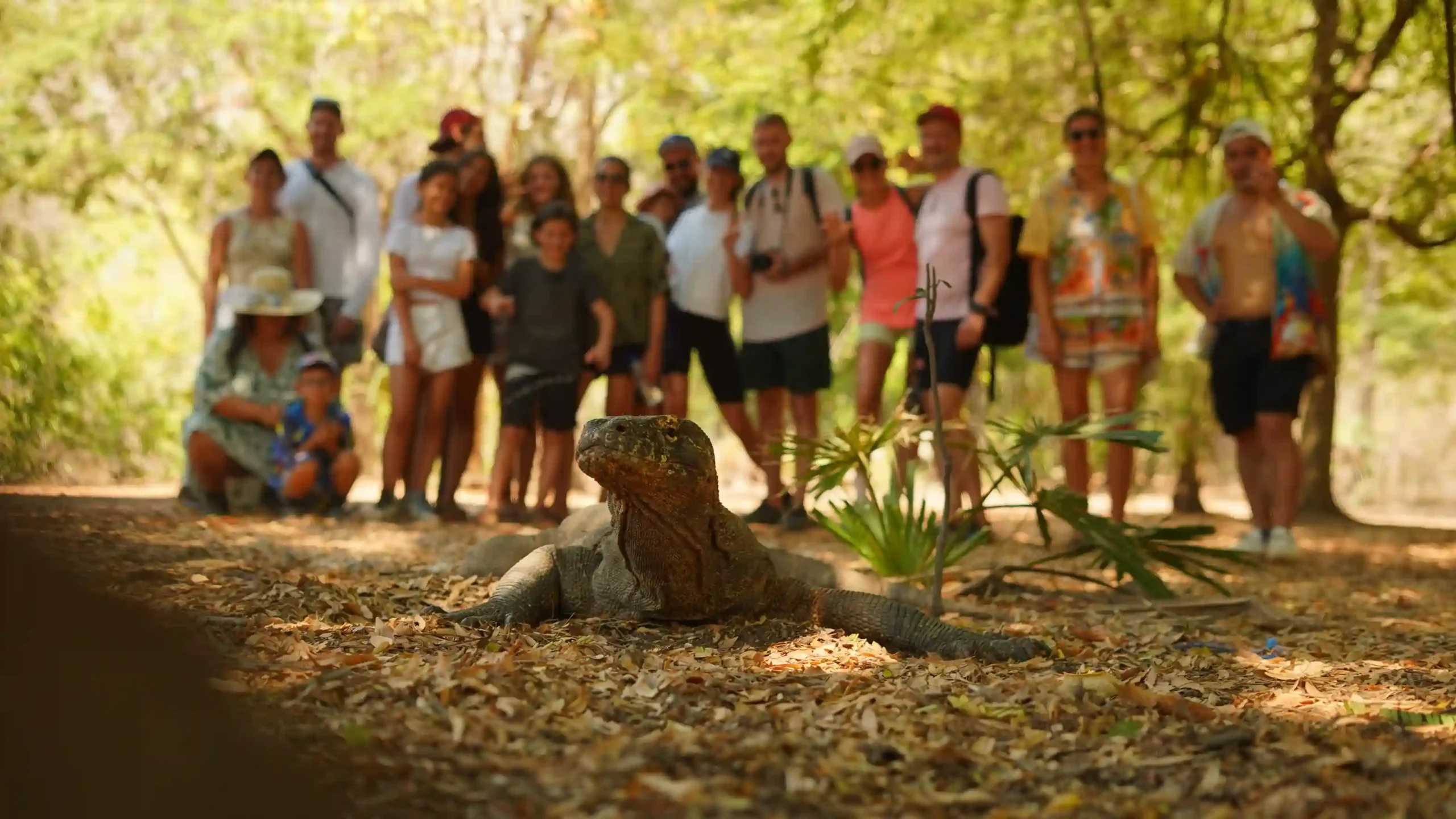
- Ranger escort is mandatory on dragon islands — landings at Loh Liang (Komodo) and Loh Buaya (Rinca) proceed in guided groups on marked trails only.
- Entrance and activity fees are set by the park and charged per person, per day, with separate line items for trekking, snorkeling, and diving. They are almost always excluded from cruise fares and paid separately — budget for them and confirm current amounts at booking, as the fee schedule is revised periodically.
- Zoning applies at sea. Certain reefs and anchorages carry restrictions; licensed operators know which, and this is one of the quiet reasons boat quality matters more than brochure photos.
- Drones and wildlife distance rules are enforced at ranger stations — ask before flying anything at a landing site.
How Routes Divide the Park
| Zone | Signature stops | Reached by |
|---|---|---|
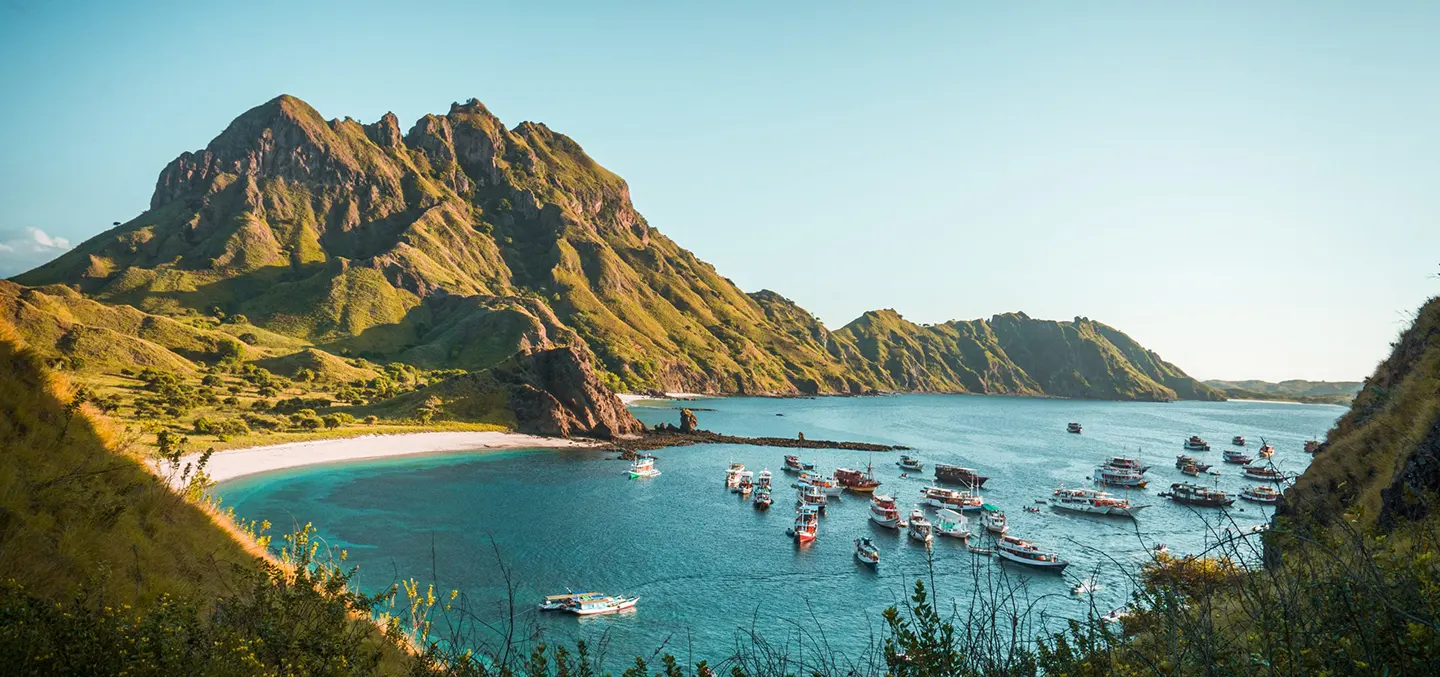
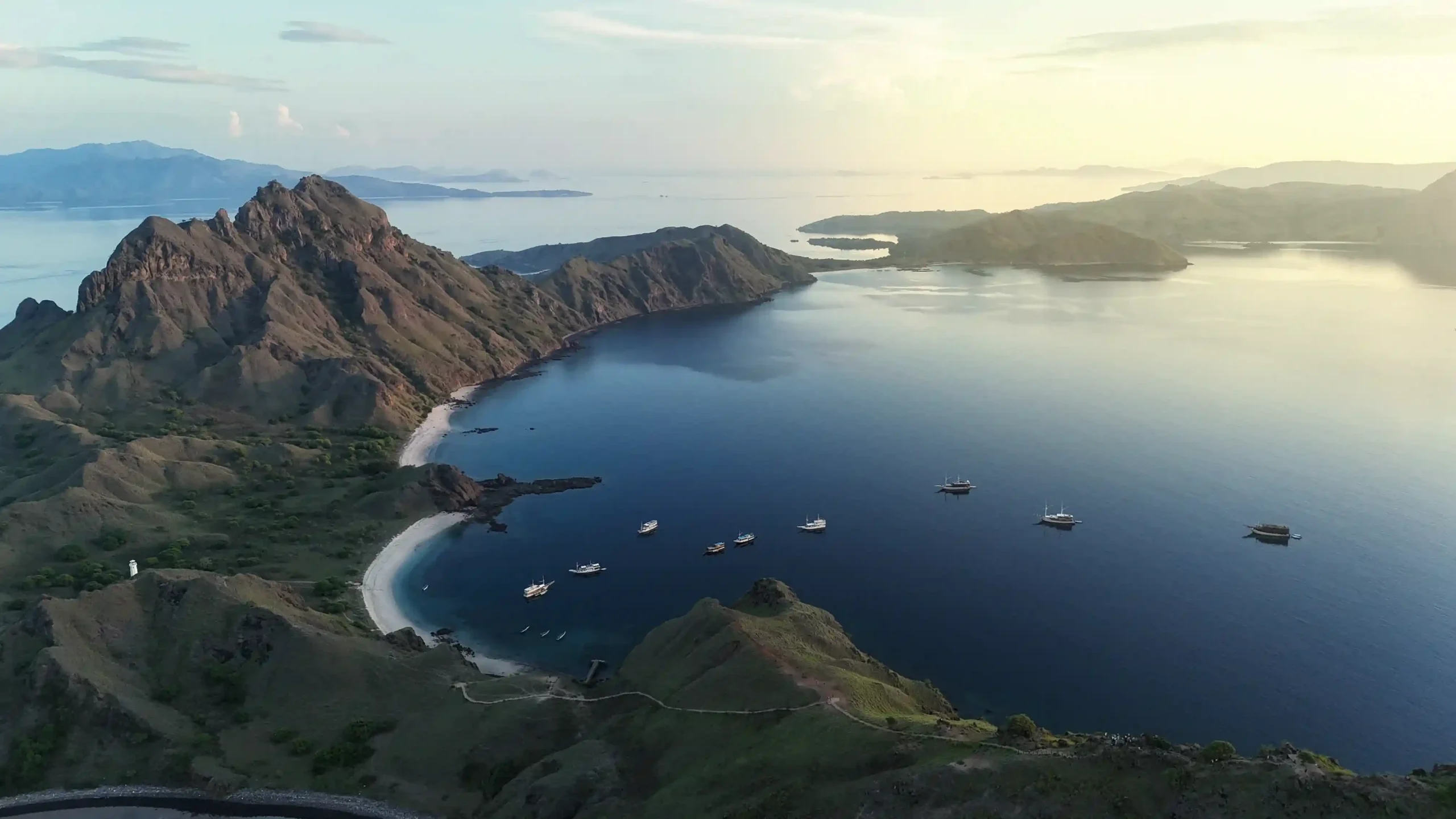
| Central | Padar viewpoint, Pink Beach, Komodo Island, Manta Point, Taka Makassar | Every format, including day cruises |
| North | Gili Lawa hills and channels, northern drift reefs | 2–3 night itineraries |
| South | Manta Alley, Padar’s southern bays, remote anchorages | 3+ night itineraries; season-dependent |
The zone system is the single most useful lens for reading itineraries: a longer trip is not “more of the same stops slower” — it is access to zones shorter trips cannot reach. Our route guide compares the three zones in depth, and the format comparison matches zones to trip lengths.
Practical Entry Logistics
- Fly into Labuan Bajo (LBJ). Direct flights from Bali take about an hour and a quarter; book morning arrivals if your cruise departs same-day.
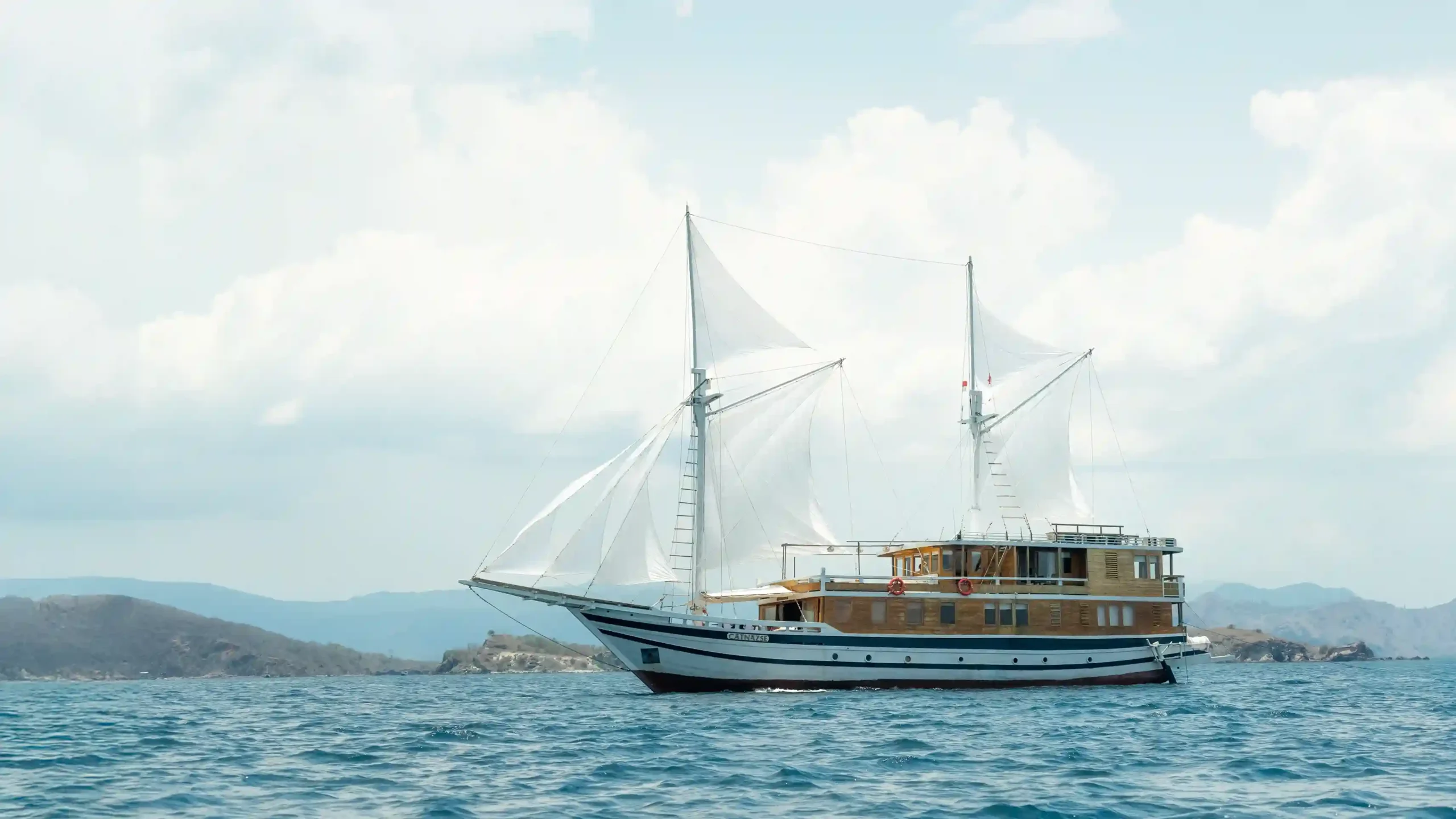
- Boats depart from the town harbor or nearby marinas. Transfers from hotel or airport to the jetty are short and usually arranged by the operator.
- Fees are settled at or before landing. Your guide handles ranger coordination; carry some cash as card facilities are not guaranteed at stations.
- Sailing times matter. The central zone sits 1.5–3 hours from port by conventional boat. Overnight boats reposition in the evening so days begin at the sites — the structural advantage over day formats.
Premium operators layer concierge handling over all of this — flights met, fees pre-arranged, zero queuing. Komodo Luxury is the reference point for that tier of park experience.
Visiting Responsibly
The park’s value is its wildness, and cruising it comes with obligations: no single-use plastics on better boats, no reef contact when snorkeling, no feeding or approaching dragons, and anchoring only where permitted. Operators that brief guests on this properly tend to be the same operators that get everything else right — treat the briefing as a quality signal. More in our sustainable cruising guide.
Common First-Timer Mistakes
Three errors account for most disappointed reviews of the park. First: booking a day trip for a manta-and-Padar wishlist that physically needs a night — check our format comparison before you commit. Second: treating park fees as a scam at the ranger station because nobody mentioned them at booking; they are official, per person, per day, and predictable if you ask up front. Third: scheduling the return flight for the evening you disembark — weather buffers exist because the sea does not read itineraries. None of these are expensive lessons if you learn them here instead of at the jetty.
Frequently Asked Questions
Can I visit Komodo National Park without a boat?
No. The park is an archipelago; its sites are reached by water. The choice is between boat formats, not between boat and land.
How many days do I need in the park?
Two days covers the central icons well. Three days adds the north or south zone. Divers and photographers profit from four or more.
Are park fees included in cruise prices?
Almost never — they are set by the park, charged per person per day, and billed separately on both shared and private trips. Confirm current amounts when booking.
When is the park open?
Year-round. Dry season (April–November) brings calm seas and golden hills; wet season brings green landscapes, rougher crossings, and peak manta activity. Occasional short closures for conservation are announced by the park authority.
Is the park safe to visit with children?
Yes, with standard precautions: children stay close on dragon treks (rangers position them accordingly) and life jackets are non-negotiable on the water. Family-friendly boats are common; see our group charter guide.
Planning your park itinerary? Message WhatsApp +62 811-3823-875 with your dates and days available — we will map the zones you can realistically reach and the boats that do it well.
Related Guides
Explore More Komodo Cruise
Browse guides, itineraries and everything you need to plan your cruise.